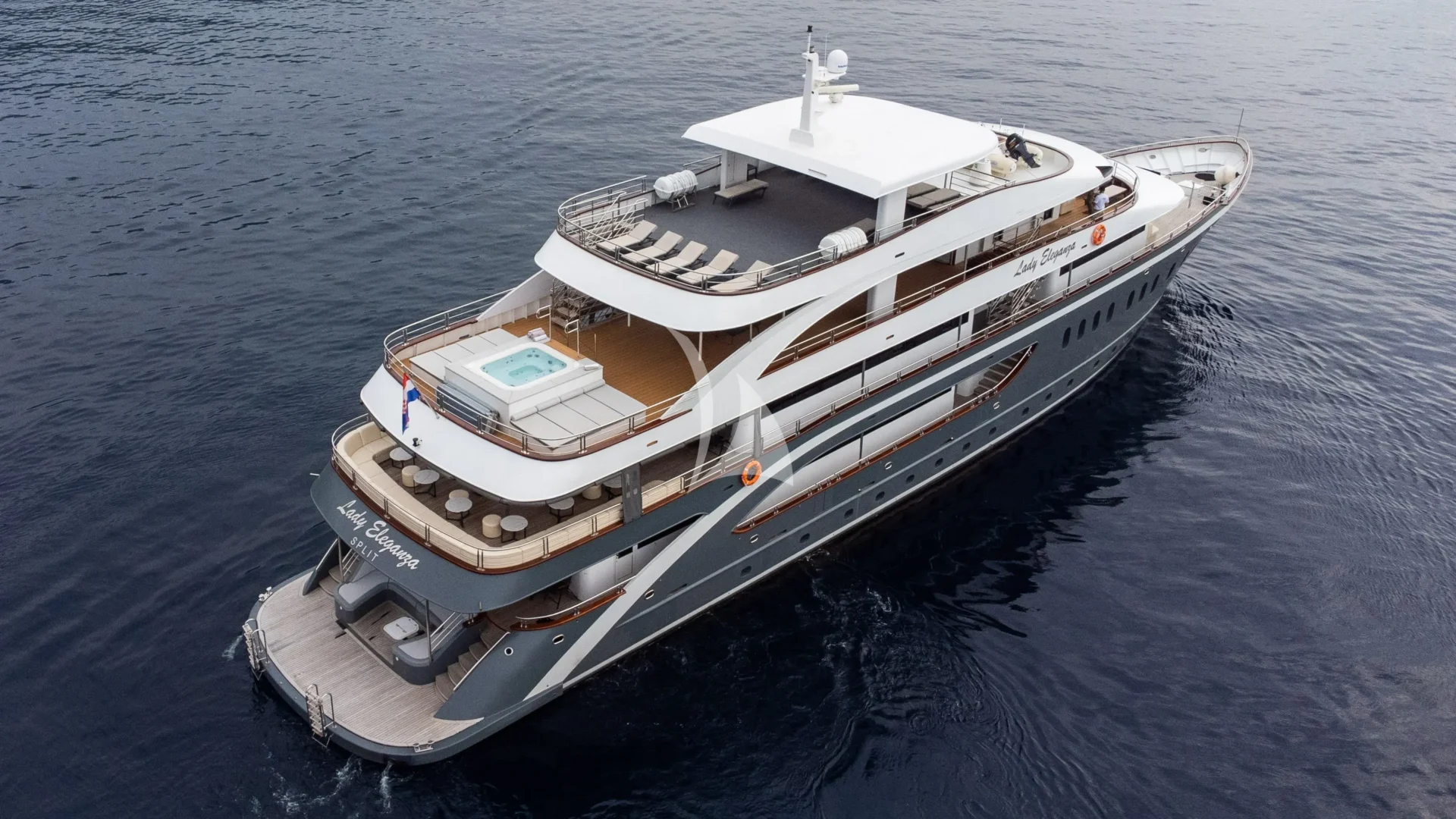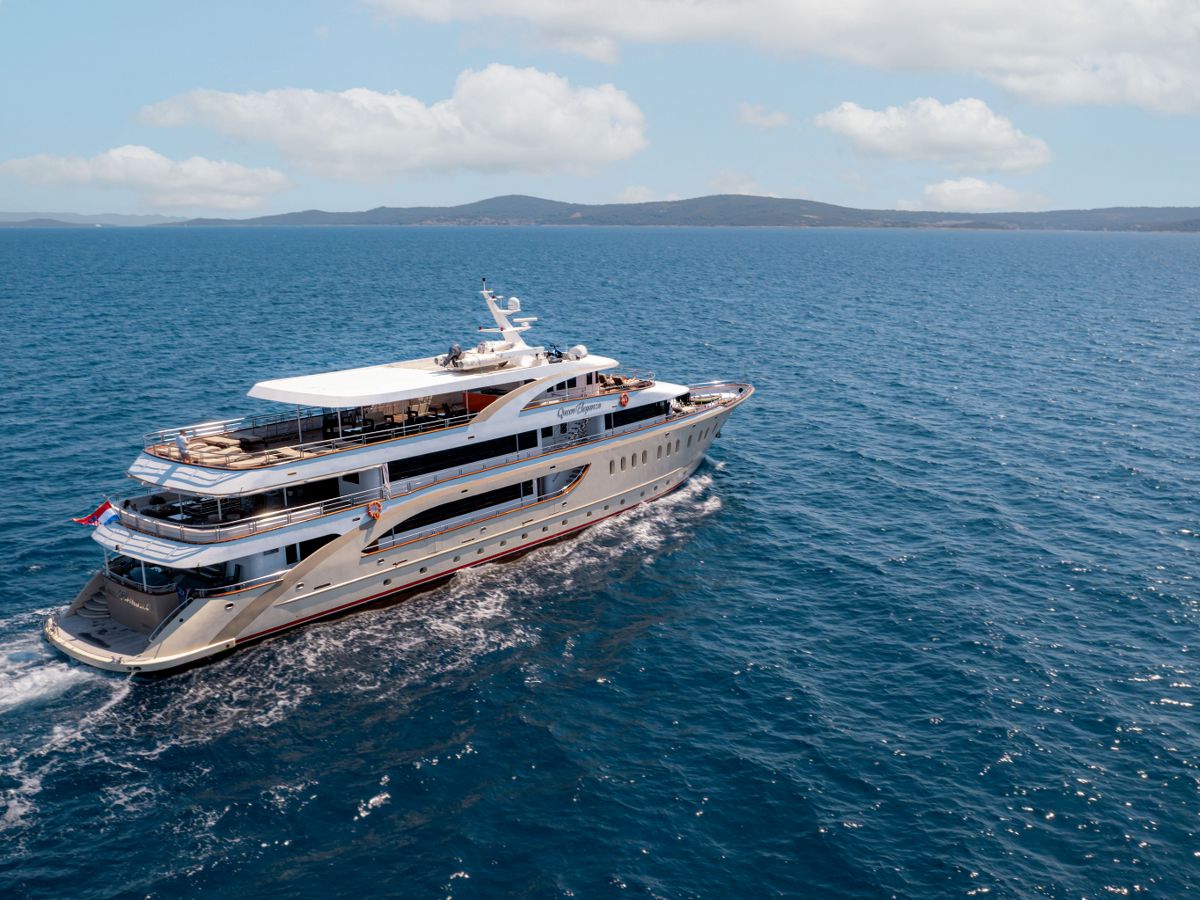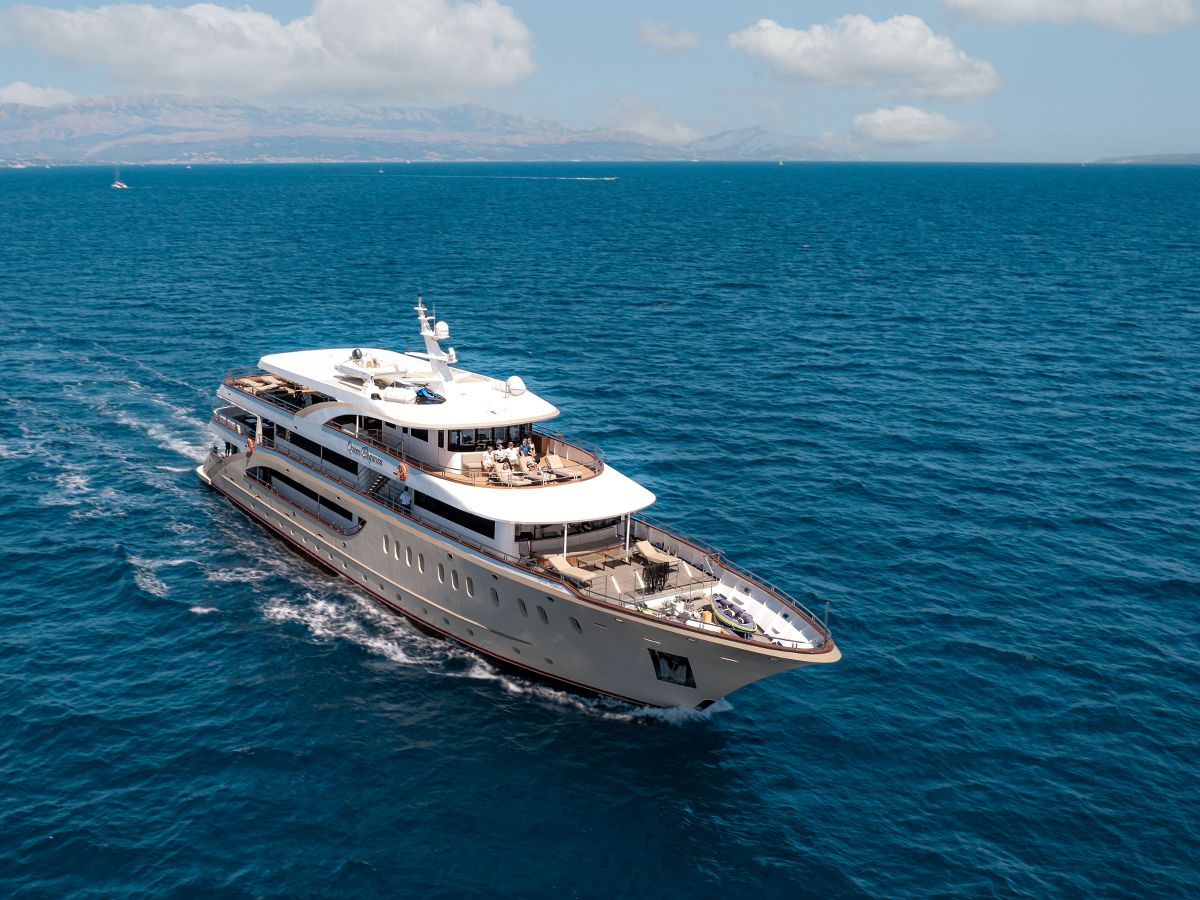

A yacht charter Greece experience offers a memorable way to explore the Greek islands, combining private accommodation, beautiful anchorages, historic harbors, and personalized travel at sea. From the whitewashed villages of the Cyclades to the green landscapes of the Ionian Islands, Greece offers remarkable variety across its cruising regions. Whether you prefer a traditional gulet, a contemporary motor yacht, or a spacious trawler, a private charter allows you to discover coastal destinations while enjoying the comfort of your own vessel.
Planning a Greek island yacht holiday involves more than choosing an attractive destination. Seasonal winds, cruising distances, departure marinas, yacht permissions, and additional operating expenses can all influence the experience. Understanding these factors helps travelers select a suitable yacht, build a realistic itinerary, and make the most of their time on the water.
Yacht Charter Greece at a Glance
Greece offers several established yacht charter regions, each with different sailing conditions, landscapes, and travel experiences. The Cyclades and Dodecanese are known for their Aegean island scenery, while the Ionian and Saronic regions often appeal to travelers seeking shorter passages and relatively sheltered routes.
| Category | Essential Information |
|---|---|
| Main cruising regions | Cyclades, Dodecanese, Ionian Islands, Argo-Saronic Islands, Sporades, North Aegean Islands |
| Main charter season | April–October |
| Peak season | July–August |
| Recommended duration | 7 nights |
| Popular yacht types | Gulets, motor yachts, trawlers |
| Major departure marinas | Alimos, Lavrio, Mykonos, Rhodes, Kos, Corfu |
| Main airports | Athens, Mykonos, Rhodes, Kos, Corfu |
| Currency | Euro (€) |
| Charter style | Private crewed yacht charter |
| Access from Turkey | International yacht crossings, flights, and ferry connections |
| Cross-border cruising | Subject to yacht authorization and immigration requirements |
The most suitable departure point depends on the intended itinerary. Athens provides access to the Saronic Gulf and Cyclades, while Rhodes and Kos are practical gateways to the Dodecanese.
Travelers arriving from Turkey may also explore selected routes connecting the Turkish coastline with nearby Greek islands. However, cross-border charter arrangements require additional planning and cannot be assumed to be available on every yacht.
Which Yacht Type Is Right for a Greek Island Charter?
Choosing the right yacht is one of the most important decisions when planning a Greek island holiday. Gulets, motor yachts, and trawlers offer different combinations of cruising speed, accommodation, outdoor space, and onboard comfort.
The best option depends on your group size, preferred itinerary, and expectations for the journey.
Gulet Charter in Greece
A gulet charter in Greece appeals to travelers who appreciate traditional yacht design, spacious decks, and a relaxed cruising atmosphere. Gulets are particularly associated with the Eastern Mediterranean and offer comfortable spaces for dining, swimming, and spending time outdoors.
Many gulets feature shaded aft dining areas, sunbathing decks, and private guest cabins. Depending on the vessel, additional facilities may include air conditioning, entertainment equipment, and watersports accessories.
Gulets generally suit travelers who prefer shorter coastal passages and a leisurely holiday rather than covering long distances every day.
Their suitability for a particular Greek itinerary depends on the yacht’s cruising permissions, technical specifications, and expected sea conditions.
Motor Yacht Charter in Greece
A motor yacht charter in Greece offers a different experience, emphasizing speed, contemporary design, and flexible cruising opportunities.
Motor yachts can be attractive for guests who want to visit several islands within a limited period. Their higher cruising speeds may allow longer passages, although fuel consumption and weather conditions remain important considerations.
Depending on the yacht, guests may enjoy modern cabins, spacious lounges, outdoor dining areas, and a selection of leisure equipment.
Motor yachts are particularly appealing to travelers who prioritize contemporary comfort and want greater flexibility when planning island-hopping routes.
Trawler Charter in Greece
A trawler charter in Greece combines comfortable accommodation with a relaxed cruising style. Trawler-type yachts often feature practical layouts, spacious cabins, and generous communal areas.
Their design can appeal to families and groups who want to spend extended periods aboard without prioritizing high cruising speeds.
Some trawlers offer excellent outdoor living spaces and comfortable interiors for longer journeys.
As with other yacht categories, actual performance and suitability depend on the individual vessel.
| Feature | Gulet | Motor Yacht | Trawler |
|---|---|---|---|
| Cruising speed | Generally slower | Usually faster | Typically moderate |
| Comfort | Traditional design and spacious decks | Contemporary interiors and premium facilities | Spacious accommodation and relaxed cruising |
| Cabins | Often multiple guest cabins | Varies by yacht size and layout | Often designed for comfortable longer stays |
| Wind and sea conditions | Route-dependent; exposed passages may be limiting | Faster passages possible, but rough seas still affect comfort | Stability and comfort depend on hull design and conditions |
| Best suited for | Families, groups, traditional cruising | Guests seeking speed and modern luxury | Travelers prioritizing space and comfortable coastal journeys |
| Main advantage | Outdoor living and traditional atmosphere | Speed and itinerary flexibility | Practical layouts and onboard comfort |
No yacht category guarantees comfortable cruising in strong winds or rough seas. The captain must assess the vessel’s capabilities and prevailing conditions before every passage.
How to Choose the Right Greek Cruising Region
Greece has several distinct cruising regions, and each offers a different holiday experience. Some are ideal for relaxed island hopping, while others involve longer distances and more exposed passages.
Rather than choosing a destination solely because of its popularity, travelers should consider seasonal winds, available cruising time, and the type of activities they enjoy.
| Region | Character | Sailing Conditions | Best For |
|---|---|---|---|
| Argo-Saronic Islands | Historic towns, charming harbors, short island passages | Often relatively sheltered compared with the central Aegean | Families, first-time charter guests, cultural exploration |
| Cyclades | Whitewashed villages, dramatic scenery, lively island destinations | Exposed to strong seasonal Meltemi winds | Experienced groups, iconic Greek island experiences |
| Dodecanese | Medieval towns, colorful harbors, proximity to Turkey | Variable Aegean winds and exposed passages | History, island hopping, Turkey–Greece itineraries |
| Ionian Islands | Green landscapes, sheltered bays, Venetian influences | Often gentler summer conditions than the central Aegean | Families, relaxed cruising, swimming |
| Sporades | Forested islands, natural scenery, quieter harbors | Seasonal winds can affect exposed routes | Nature lovers, quieter island holidays |
| North Aegean Islands | Traditional villages, historical sites, less crowded destinations | Longer passages and potentially challenging winds | Experienced travelers, cultural discovery |
Yacht Charter Argo – Saronic Islands
Yacht Charter Argo – Saronic Islands is an excellent option for guests who want to combine easy island hopping with historical towns, charming ports, and relatively sheltered cruising conditions.
Located close to Athens and the Peloponnese, the Saronic Gulf is especially attractive for travelers who prefer shorter distances between destinations.
Popular stops include Aegina, Poros, Hydra, and Spetses. Hydra is known for its preserved architecture and largely car-free town center, while Poros combines green landscapes with a welcoming harbor atmosphere.
The region works particularly well for travelers who want to balance cultural exploration with swimming, coastal dining, and relaxed time aboard.
Yacht Charter The Cyclades
Yacht Charter The Cyclades introduces travelers to some of Greece’s most recognizable island landscapes.
Whitewashed houses, blue-domed churches, rugged coastlines, and deep blue waters characterize this famous island group in the central Aegean Sea.
Mykonos and Santorini are internationally known, while Paros, Naxos, Milos, Syros, Sifnos, and Serifos offer additional opportunities for island exploration.
The Cyclades are especially appealing to travelers who want to combine distinctive architecture, lively coastal towns, local cuisine, and beautiful swimming locations.
However, the region is exposed to the seasonal Meltemi wind. Itineraries therefore require careful planning, particularly during the summer months.
Yacht Charter The Dodecanese
Yacht Charter The Dodecanese offers an opportunity to explore the southeastern Aegean islands near the Turkish coastline.
The region combines medieval architecture, archaeological sites, traditional harbors, and attractive swimming locations.
Rhodes is particularly famous for its medieval Old Town, while Kos offers archaeological heritage and lively coastal areas. Symi is known for its colorful neoclassical waterfront architecture.
The Dodecanese is especially interesting for travelers considering a route that connects Turkey and Greece.
Because international crossings involve specific yacht permissions and border procedures, these itineraries require confirmation before booking.
Yacht Charter The Ionian Islands
Yacht Charter The Ionian Islands is an attractive choice for travelers who appreciate green landscapes, sheltered bays, and generally relaxed cruising conditions.
Located along the western side of Greece, the Ionian Islands have a noticeably different appearance from many Aegean destinations.
Corfu, Lefkada, Kefalonia, Ithaca, and Zakynthos are among the best-known islands.
Corfu offers an elegant historic center, while Lefkada and its surrounding islands provide numerous swimming locations and scenic anchorages.
The Ionian region is particularly suitable for families and travelers who prefer a comfortable island-hopping experience without planning long passages every day.
Yacht Charter The Sporades
Yacht Charter The Sporades appeals to visitors looking for lush landscapes, clear waters, and a quieter island atmosphere.
Located in the northwestern Aegean, the Sporades are known for forested hillsides, traditional villages, and protected natural areas.
Skiathos, Skopelos, Alonissos, and Skyros are among the region’s main destinations.
Skiathos offers attractive beaches and a lively town, while Skopelos is associated with green landscapes and traditional architecture.
Alonissos is particularly interesting for nature lovers because of its connection with the National Marine Park of Alonissos and Northern Sporades.
The region offers opportunities for peaceful anchoring, coastal exploration, and relaxed cruising.
Yacht Charter The North Aegean Islands
Yacht Charter The North Aegean Islands provides a different perspective on Greek island cruising.
The region attracts travelers interested in authentic local traditions, historical sites, and destinations that are generally less associated with mass tourism.
Lesvos, Chios, Samos, Limnos, and Ikaria each have distinctive characteristics.
Chios is known for its medieval villages and mastic production, while Samos combines mountain landscapes with beaches and archaeological heritage.
Ikaria is associated with a relaxed lifestyle and strong community traditions. Lesvos offers traditional settlements, regional cuisine, and a rich cultural history.
The North Aegean can be particularly rewarding for experienced charter guests who want to explore destinations beyond Greece’s most frequently visited islands.
Sample 7-Day Yacht Charter Itineraries in Greece
A seven-day yacht charter provides enough time to explore several destinations while maintaining a comfortable balance between cruising, swimming, and sightseeing.
However, Greece’s island groups cover large geographical areas. The distance between destinations can be substantial, particularly in the Cyclades and Ionian Islands.
The following itineraries are illustrative examples. Actual routes depend on the selected yacht, departure marina, weather conditions, cruising permissions, and available time.
7-Day Cyclades Itinerary
A Cyclades itinerary can combine historic islands, traditional villages, lively waterfronts, and beautiful beaches.
A route connecting Athens, Kea, Syros, Mykonos, Paros, and Naxos offers considerable variety, although it involves substantial cruising distances and may require adjustment during strong Meltemi conditions.
| Day | Destination | Suggested Experience |
|---|---|---|
| Day 1 | Athens | Embarkation, welcome aboard, departure preparations |
| Day 2 | Kea | Explore coastal villages and enjoy a swimming stop |
| Day 3 | Syros | Visit Ermoupoli and discover neoclassical architecture |
| Day 4 | Mykonos | Explore the waterfront, beaches, and island atmosphere |
| Day 5 | Paros | Visit traditional villages and sheltered coastal locations |
| Day 6 | Naxos | Discover beaches, local cuisine, and historic landmarks |
| Day 7 | Naxos or an agreed disembarkation port | Final cruising activities and departure arrangements |
This example assumes that embarkation and disembarkation can take place at different locations.
Returning to Athens within the same seven-day period would require a different schedule and potentially longer daily passages.
For travelers who prefer shorter cruising distances, a route focused on Kea, Kythnos, and nearby Cycladic islands may be more practical.
7-Day Dodecanese Itinerary from Turkey
The Dodecanese offers one of the most interesting opportunities to combine the Turkish coastline with nearby Greek islands.
A route connecting Bodrum or Marmaris with Kos, Symi, and Rhodes can introduce travelers to historic towns, colorful harbors, and distinctive island landscapes.
| Day | Destination | Suggested Experience |
|---|---|---|
| Day 1 | Bodrum or Marmaris | Embarkation and international departure preparations |
| Day 2 | Kos | Complete entry formalities and explore the island |
| Day 3 | Kos coastline | Swimming, coastal exploration, and local dining |
| Day 4 | Symi | Discover the colorful harbor and neoclassical architecture |
| Day 5 | Symi | Explore nearby bays and enjoy a relaxed island atmosphere |
| Day 6 | Rhodes | Visit the medieval Old Town and waterfront |
| Day 7 | Rhodes or an agreed return route | Final sightseeing or return preparations |
This is a conceptual itinerary rather than a guaranteed sailing schedule.
The feasibility of departing from Bodrum or Marmaris and visiting these islands depends on the yacht’s authorization, border formalities, weather, and cruising distances.
A one-way itinerary ending in Rhodes requires different arrangements from a round-trip charter returning to Turkey.
Travelers should confirm these details before selecting the yacht.
7-Day Ionian Islands Itinerary
The Ionian Islands are known for green landscapes, sheltered bays, and picturesque coastal villages.
A route connecting Corfu, Paxos, Lefkada, and Kefalonia offers diverse scenery, although the full journey involves considerable distances.
| Day | Destination | Suggested Experience |
|---|---|---|
| Day 1 | Corfu | Embarkation and exploration of the historic waterfront |
| Day 2 | Paxos | Swimming and visiting scenic coastal villages |
| Day 3 | Antipaxos | Enjoy turquoise waters and sheltered swimming locations |
| Day 4 | Lefkada | Explore the coastline and nearby anchorages |
| Day 5 | Meganisi | Relaxed cruising and peaceful bays |
| Day 6 | Kefalonia | Discover coastal scenery and traditional settlements |
| Day 7 | Kefalonia or an agreed disembarkation port | Final activities and departure arrangements |
This example is more suitable for a one-way charter with appropriate repositioning arrangements.
A return journey to Corfu within seven days may require longer passages and fewer stops.
Travelers seeking a slower itinerary can instead concentrate on Corfu, Paxos, and Antipaxos or explore the Lefkada–Meganisi–Kefalonia area.
Understanding the Meltemi Wind and Sea Conditions
The Meltemi wind in Greece is an important consideration when planning a yacht charter in the Aegean Sea.
The Meltemi is a seasonal northerly wind that commonly affects parts of the Aegean during summer, particularly from June through September.
Its strength varies according to location and weather patterns, but it can create challenging sea conditions in exposed areas.
The Cyclades are especially associated with the Meltemi because many islands lie in open-water locations where northerly winds can generate significant waves.
For yacht charter guests, this has several practical implications.
Itinerary flexibility: Captains may recommend alternative routes or sheltered anchorages when conditions become unfavorable.
Cruising comfort: Strong winds and waves can make longer passages uncomfortable, even aboard well-equipped yachts.
Travel schedules: Some crossings may need to be delayed or adjusted to maintain safe operating conditions.
Yacht selection: The vessel’s design, cruising capabilities, and operating limitations should match the intended region.
Departure planning: Travelers should avoid assuming that every planned island can be visited on a fixed schedule.
The Meltemi does not mean that summer yacht charters in Greece are unsuitable. It simply makes careful route planning particularly important.
Travelers seeking generally more sheltered summer cruising conditions may prefer selected itineraries in the Saronic Gulf or Ionian Islands.
However, no cruising region is completely protected from changing weather.
The captain’s assessment of current forecasts and local conditions should always guide the final itinerary.
How Much Does a Yacht Charter in Greece Cost?
The cost of a yacht charter in Greece depends on the selected vessel, travel season, departure region, charter duration, and services included in the agreement.
A traditional gulet, a modern motor yacht, and a large luxury vessel can have significantly different operating costs.
The total budget also depends on expenses that may not be included in the advertised charter fee.
Weekly Price Ranges by Yacht Category
Weekly charter prices vary considerably, and there is no single reliable price range that applies to every yacht operating in Greece.
| Yacht Category | General Pricing Characteristics |
|---|---|
| Standard Gulet | Pricing depends on guest capacity, accommodation, age, and onboard facilities |
| Luxury Gulet | Higher rates generally reflect upgraded accommodation and service levels |
| Ultra-Luxury Gulet | Premium pricing reflects extensive facilities, larger crews, and enhanced comfort |
| Motor Yacht | Rates vary substantially according to size, speed, fuel consumption, and amenities |
| Trawler | Pricing depends on vessel size, accommodation, equipment, and cruising arrangements |
A yacht’s advertised weekly rate should not automatically be treated as the total holiday cost.
Travelers should request a detailed quotation that identifies the charter fee, applicable taxes, fuel arrangements, provisioning, and additional expenses.
For the most accurate comparison, the quotation should reflect the actual yacht, travel dates, and intended itinerary.
What Affects the Price?
Several factors influence the final cost of a Greek yacht charter.
Travel season: July and August are generally among the busiest months. Demand and availability may differ during spring and autumn.
Yacht size: Larger vessels often require more crew members, fuel, and operating resources.
Yacht category: Luxury facilities, cabin arrangements, watersports equipment, and onboard services can influence the charter rate.
Cruising region: The departure marina, route distances, and local port arrangements can affect operating expenses.
Charter duration: Weekly arrangements are common, although shorter charters may be available on selected yachts.
International itineraries: Cross-border cruising may involve additional permissions, administrative procedures, and fees.
Comparing the total estimated charter budget rather than the base price alone helps travelers make more informed decisions.
What Is Included in a Greek Yacht Charter?
The services included in a Greek yacht charter depend on the selected vessel and contractual arrangements.
Crewed yacht charters generally include private use of the yacht and professional personnel responsible for operating it.
However, catering, fuel, port fees, and other expenses may follow different pricing structures.
| Service | General Charter Arrangement |
|---|---|
| Private yacht accommodation | Included for the agreed charter period |
| Professional captain | Included in professionally crewed arrangements |
| Additional crew | Depends on yacht size and charter agreement |
| Cabin cleaning | Generally provided on crewed yachts |
| Bed linen and towels | Usually included |
| Air conditioning | Subject to yacht specifications and operating conditions |
| Watersports equipment | Depends on available onboard facilities |
| Fuel | May be included within limits or charged separately |
| Food and beverages | Often arranged separately |
| Marina and port fees | Depend on the charter agreement |
| Yacht insurance | Generally maintained by the yacht operator |
| Airport transfers | Usually arranged separately |
The individual charter agreement determines which services are included and which require additional payment.
Before confirming a reservation, guests should review the full list of inclusions and exclusions.
This is particularly important when comparing yachts operating under different expense arrangements.
Additional Expenses to Plan For
Understanding additional expenses is essential when budgeting for a private yacht holiday in Greece.
Some yachts operate under an Advance Provisioning Allowance system, while others use different arrangements for food, fuel, and operating expenses.
| Additional Expense | What to Know |
|---|---|
| APA | Advance payment used for agreed operating expenses on certain yachts |
| Fuel | May be charged according to actual consumption |
| Marina fees | Depend on the ports visited and berthing arrangements |
| Greek VAT | Depends on the applicable charter structure and tax rules |
| Food and beverages | Often charged separately or covered through provisioning arrangements |
| Crew gratuities | Generally discretionary |
| Watersports fuel | May involve additional charges |
| Airport transfers | Usually separate from the base charter fee |
| International clearance | Relevant to cross-border itineraries |
| Land excursions | Generally arranged separately |
APA, or Advance Provisioning Allowance, is an advance payment used on certain yacht charters to cover agreed operating expenses.
These may include fuel, food, beverages, port charges, and other costs incurred during the charter.
The captain or crew normally records relevant expenses, with the balance reconciled according to the agreement.
Greek VAT treatment depends on the charter structure and applicable regulations. Travelers should not assume that every yacht or itinerary follows the same tax arrangement.
International routes can introduce additional customs, port, and administrative expenses.
A transparent quotation should distinguish the charter fee from estimated additional costs.
Departure Points and Airports for a Greek Yacht Charter
Choosing the right departure marina can reduce transfer time and make the itinerary more practical.
Athens provides access to several established marinas, while Mykonos, Rhodes, Kos, and Corfu offer useful starting points for regional charters.
Transfer times vary according to traffic, the exact marina, and the selected transport arrangements.
| Airport | Marina or Departure Area | Approximate Transfer Time |
|---|---|---|
| Athens International Airport (ATH) | Alimos Marina | Approximately 35–60 minutes |
| Athens International Airport (ATH) | Lavrio Marina | Approximately 30–50 minutes |
| Mykonos Airport (JMK) | Mykonos marina and port area | Approximately 10–20 minutes |
| Rhodes International Airport (RHO) | Rhodes marina and port area | Approximately 25–40 minutes |
| Kos International Airport (KGS) | Kos Marina | Approximately 30–45 minutes |
| Corfu International Airport (CFU) | Gouvia Marina | Approximately 15–25 minutes |
These are indicative road transfer estimates rather than guaranteed journey times.
Athens: Alimos and Lavrio
Athens is one of the most practical starting points for a Greek yacht charter.
Alimos Marina provides access to the Saronic Gulf and routes toward the Cyclades.
Lavrio is located farther southeast and can be convenient for itineraries beginning with islands such as Kea and Kythnos.
The best departure marina depends on the yacht’s location and the intended route.
Mykonos
Mykonos is a popular destination for travelers interested in the Cyclades.
Starting a charter in Mykonos may reduce the need for a long initial passage from Athens, although yacht availability and local port arrangements must be confirmed.
Rhodes and Kos
Rhodes and Kos are important gateways to the Dodecanese.
Their proximity to the Turkish coastline makes them particularly relevant when considering international itineraries.
Corfu
Corfu is a convenient departure point for exploring the northern Ionian Islands.
Routes can include Paxos, Antipaxos, and other destinations depending on the yacht and available cruising time.
Combining Turkey and Greece on One Charter
Combining Turkey and Greece on one yacht charter can create a distinctive Eastern Mediterranean holiday.
The two countries share close geographical connections across parts of the Aegean, particularly around Bodrum, Marmaris, Kos, Symi, and Rhodes.
For travelers interested in both destinations, a carefully planned itinerary can combine Turkish coastal scenery with Greek island culture.
However, crossing between Turkey and Greece involves more than navigating a short distance.
The yacht must have the appropriate authorization to operate internationally, and the itinerary must comply with relevant immigration, customs, port, and insurance requirements.
Popular Turkey–Greece Yacht Charter Connections
| Turkish Departure Area | Greek Destination | Planning Considerations |
|---|---|---|
| Bodrum | Kos | International clearance and yacht authorization required |
| Marmaris | Rhodes | Border procedures and suitable port arrangements required |
| Bodrum or Marmaris region | Symi | Route feasibility depends on yacht permissions and cruising schedule |
| Kaş | Kastellorizo (Meis) | Short geographical crossing, subject to international charter requirements |
A route connecting Bodrum or Marmaris with the Dodecanese can be particularly appealing to travelers who want to experience both Turkish and Greek coastal destinations.
However, not every yacht chartered in Turkey is authorized to operate commercially in Greek waters. Cross-border charter operations may also be restricted by the vessel’s registration, licensing, and applicable national regulations.
For this reason, international cruising permissions must be confirmed before selecting the yacht.
Customs, Immigration and Transit Log Requirements
International yacht crossings may require several administrative procedures.
These can include departure clearance from Turkey, arrival formalities in Greece, passport checks, customs procedures, and appropriate cruising documentation.
The Turkish transit log and the documentation required for Greek waters serve different administrative purposes.
Travelers should also check whether their nationality requires a visa for Greece and the Schengen Area.
Additional port charges, clearance expenses, or administrative fees may apply.
Because requirements can change, the charter operator should confirm the applicable procedures for the selected vessel and itinerary.
Practical Tips Before You Book
Planning ahead can make a Greek yacht charter more comfortable and help avoid unexpected expenses or itinerary changes.
When Should You Book a Greek Yacht Charter?
Booking several months in advance is often beneficial, particularly for July and August departures.
Popular yachts, larger cabin configurations, and specific departure dates may have limited availability during the busiest weeks.
Travelers with flexible schedules may find additional options during the shoulder season.
Check Passport and Visa Requirements
Greece is part of the Schengen Area.
Travelers should check passport validity, visa requirements, and applicable entry conditions according to their nationality.
A yacht charter agreement does not automatically provide permission to enter Greece.
For international itineraries, both guest documentation and yacht operating permissions must be considered.
Pack for Life on Board
Soft-sided luggage is generally easier to store aboard a yacht than large hard-shell suitcases.
Useful items include lightweight clothing, swimwear, sun protection, comfortable footwear, and a light jacket for cooler evenings.
Guests should also bring essential medication, travel documents, and any personal items that may be difficult to obtain during the voyage.
Consider the Needs of Children
A family yacht charter in Greece can be an enjoyable experience when the vessel and itinerary suit the needs of younger guests.
Families should consider cabin arrangements, deck safety, swimming supervision, and the length of daily passages.
Sheltered cruising regions and shorter distances between destinations may be particularly attractive for families with children.
Keep Your Itinerary Flexible
Weather conditions can affect even carefully planned routes.
A successful yacht holiday does not depend on visiting the maximum number of islands.
Allowing time for swimming, sightseeing, and relaxation often creates a more enjoyable experience than following an overly ambitious schedule.
Plan Your Greek Yacht Charter with Hera Yachting
Hera Yachting helps travelers explore private yacht charter opportunities across Greece and the Eastern Mediterranean.
Whether you are interested in the iconic landscapes of the Cyclades, the green coastlines of the Ionian Islands, or the historic harbors of the Dodecanese, choosing the right yacht and itinerary is essential.
The company’s charter planning approach focuses on matching travel preferences with suitable vessels, destinations, and practical cruising arrangements.
Guests can explore the Yacht Charter Greece destination page to discover the main Greek cruising regions.
Those interested in traditional yacht experiences can browse gulets, while travelers seeking contemporary design and higher cruising speeds can explore motor yachts.
For guests who prioritize spacious accommodation and relaxed cruising, trawler yachts provide another option to consider.
Hera Yachting can help travelers compare available vessels, discuss suitable departure points, and assess itinerary requirements.
Contact Hera Yachting to share your preferred travel dates, group size, destination interests, and charter expectations.
Frequently Asked Questions
1. How Many Days Do You Need for a Yacht Charter in Greece?
Seven nights is a practical duration for many Greek island yacht charters. It allows time to visit several destinations while maintaining a comfortable pace. However, some regions involve longer cruising distances, so the ideal duration depends on the selected itinerary. Travelers exploring compact areas such as the Saronic Gulf may also enjoy shorter charters.
2. Can You Start a Yacht Charter in Turkey and Sail to Greece?
A Turkey–Greece yacht itinerary may be possible when the vessel has the appropriate international cruising and commercial operating permissions. The route must comply with applicable customs, immigration, port, and insurance requirements. Not every yacht available in Turkey can legally operate a charter in Greek waters, so authorization must be confirmed before booking.
3. Do You Need a Skipper’s License to Charter a Yacht in Greece?
Guests on a professionally crewed yacht charter generally do not need a skipper’s license because the captain operates the vessel. Bareboat charters have different qualification requirements, and operators must verify the relevant licenses and sailing experience before allowing guests to operate a yacht independently.
4. What Is the APA on a Greek Yacht Charter?
APA stands for Advance Provisioning Allowance. It is an advance payment used on certain yacht charters to cover agreed operating expenses, such as fuel, food, beverages, and port charges. The crew normally records these expenses, and the final balance is reconciled according to the charter agreement. Not every yacht uses an APA system.
5. Is a Gulet or a Motor Yacht Better for the Greek Islands?
A gulet is often suitable for travelers who enjoy traditional design, spacious decks, and relaxed coastal cruising. A motor yacht may be preferable for guests who prioritize speed, contemporary facilities, and greater flexibility over longer distances. The best choice depends on the itinerary, sea conditions, group size, and individual yacht specifications.
6. Is Greece Suitable for a Family Yacht Charter?
Yes. Greece offers several cruising regions that can suit family yacht holidays, particularly when the route includes sheltered bays and manageable daily passages. The Saronic Gulf and selected Ionian itineraries are often attractive for families. Yacht layout, safety equipment, swimming supervision, and weather conditions should all be considered before booking.