
Best Snorkeling and Diving Spots on the Turkish Coast by Gulet offer travelers an opportunity to explore clear Mediterranean waters, rocky reefs, underwater caves, and secluded bays along Turkey’s spectacular coastline. A gulet cruise provides convenient access to swimming and snorkeling locations that are often difficult to reach from land, while selected coastal areas also offer excellent conditions for recreational diving. From the underwater landscapes of Kaş and Kekova to the peaceful coves of Fethiye, Marmaris, and Bodrum, the Turkish coast combines marine exploration with the comfort of a private sailing holiday.
Why Explore the Turkish Coast by Gulet?
The Turkish coastline stretches along the Aegean and Mediterranean seas, creating a diverse marine environment with sheltered bays, rocky headlands, small islands, and underwater formations. These natural features make the region particularly attractive for travelers interested in snorkeling, swimming, and scuba diving.
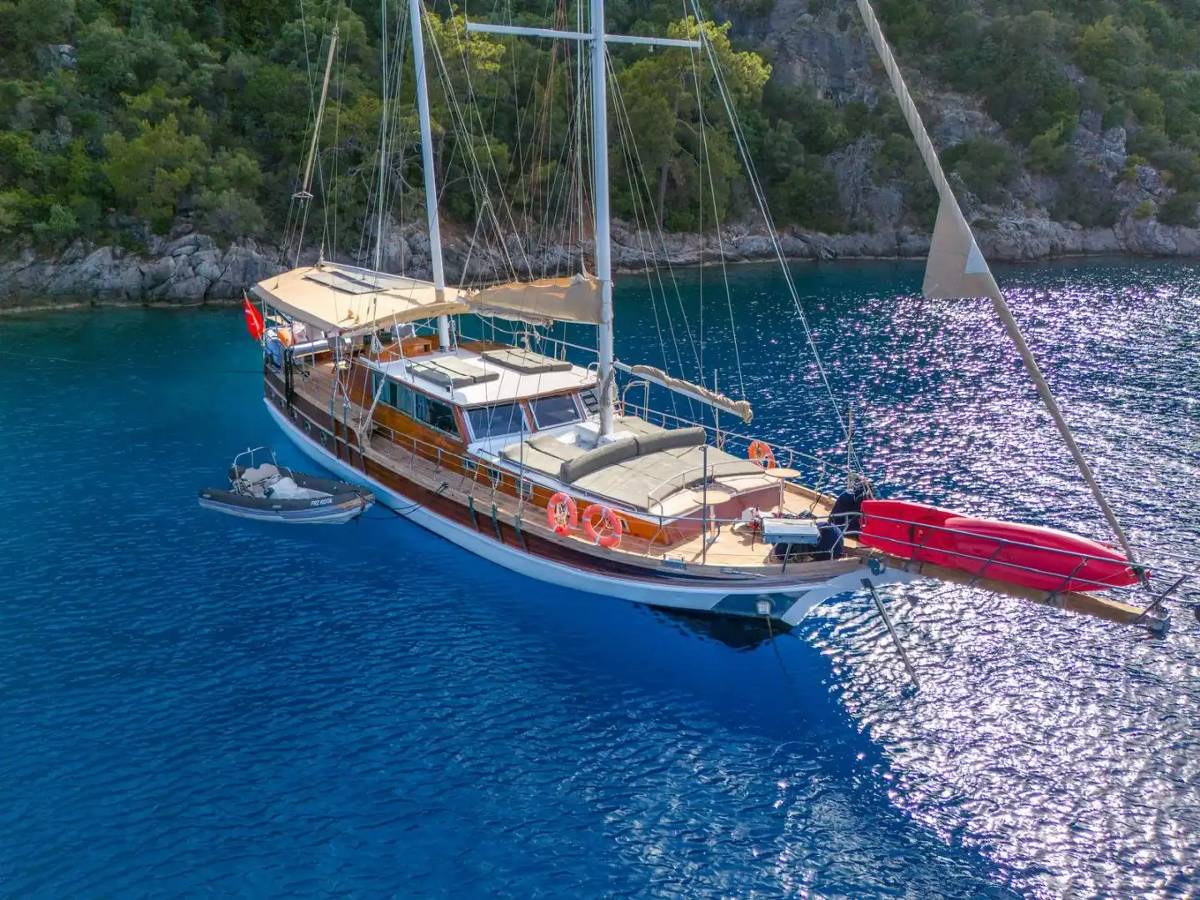
A traditional gulet offers a different experience from a conventional land-based holiday. Instead of traveling between crowded beaches and organized excursion points, guests can explore multiple coastal destinations while enjoying the comfort of a spacious yacht.
Many gulet itineraries include swimming stops in calm bays where passengers can enter the water directly from the vessel. These locations often feature rocky seabeds, small fish, and underwater landscapes visible through clear water.
Travelers planning a Gulet Charter Turkey holiday can combine marine activities with sightseeing, coastal dining, and visits to traditional seaside villages.
One of the greatest advantages of gulet cruising is flexibility. Depending on weather conditions, sea conditions, and the planned itinerary, guests can spend additional time in locations that offer particularly enjoyable snorkeling opportunities.
However, snorkeling and scuba diving require different arrangements. While snorkeling often takes place during regular swimming stops, scuba diving generally involves qualified instructors, suitable equipment, and dedicated diving facilities.
Kaş: One of Turkey’s Most Popular Diving Destinations
Kaş stands among the most recognized diving destinations on Turkey’s Mediterranean coast. Its underwater environment features rocky formations, reefs, caves, and varied marine life, attracting both experienced divers and travelers discovering underwater exploration for the first time.
The waters surrounding Kaş offer several diving environments, including shallow rocky areas and deeper underwater landscapes. Visibility can be excellent during favorable conditions, allowing divers to appreciate the region’s distinctive underwater scenery.
Snorkelers can also enjoy selected sheltered coves around the Kaş coastline. Rocky shorelines provide habitats for small Mediterranean fish, while the clear water makes observing underwater formations particularly enjoyable.
What Makes Kaş Special for Underwater Exploration?
Kaş offers a combination of natural beauty and varied underwater terrain. Visitors may encounter schools of fish, sea urchins, rocky reefs, and occasionally sea turtles.
Some diving locations also feature underwater archaeological remains or specially designated attractions. Access to individual sites depends on local restrictions, diving arrangements, and environmental protection requirements.
For travelers exploring the Mediterranean by gulet, Kaş provides an appealing opportunity to combine relaxing swimming stops with professionally organized diving experiences.
The surrounding coastline also features dramatic cliffs, peaceful bays, and scenic anchorages that complement the underwater experience.
Kekova: Snorkeling Around Historic Coastal Landscapes
Kekova is famous for its beautiful turquoise waters, sheltered bays, and fascinating coastal history. Located near Kaş, the region offers an exceptional setting for travelers who enjoy combining marine exploration with cultural sightseeing.
The coastline includes small islands, rocky inlets, and peaceful swimming locations. Some sheltered areas offer excellent opportunities to observe fish and underwater rock formations while snorkeling.
One of Kekova’s most distinctive attractions is its partially submerged ancient settlement, commonly known as the Sunken City. Visitors can observe sections of the historic remains from boats traveling through the area.
Swimming, snorkeling, and diving are restricted around protected archaeological zones, so travelers should explore only designated locations where water activities are permitted.
Exploring Kekova’s Sheltered Bays
Beyond the protected archaeological areas, the wider Kekova region contains attractive swimming locations with clear water and interesting rocky seabeds.
Gulet passengers can enjoy quiet coves where the surrounding hills create a peaceful atmosphere. These locations are particularly appealing to travelers who prefer relaxed snorkeling rather than deeper diving activities.
A gulet itinerary around Kekova can also include coastal villages, island scenery, and scenic cruising routes.
The combination of historical landscapes and natural marine beauty makes Kekova one of the most memorable destinations along Turkey’s Mediterranean coast.
Fethiye: Turquoise Waters and Beautiful Snorkeling Bays
Fethiye offers some of the most picturesque snorkeling environments along the Turkish Riviera. Its coastline features sheltered coves, forested hills, rocky beaches, and exceptionally beautiful turquoise water.
The region is particularly attractive for travelers who want to enjoy snorkeling as part of a relaxed sailing holiday.
A Gulet Charter Fethiye itinerary can introduce visitors to numerous coastal locations where swimming and underwater exploration complement the surrounding scenery.
Butterfly Valley
Butterfly Valley is one of the most recognizable natural attractions near Fethiye. Surrounded by steep cliffs, the bay creates a dramatic setting for swimming and snorkeling.
The rocky sections around the coastline can provide opportunities to observe small fish and underwater formations.
Sea conditions vary, and the bay can experience boat traffic, making careful selection of swimming areas important.
Gemiler Island
Gemiler Island combines historic coastal scenery with attractive swimming locations.
The surrounding waters contain rocky seabeds and areas suitable for casual snorkeling when conditions are favorable.
Visitors can enjoy views of the island’s historical remains while exploring nearby coastal waters from designated swimming locations.
Göcek’s Sheltered Bays
The Göcek region is known for its calm anchorages, forested coastline, and beautiful island scenery.
Many bays provide comfortable swimming conditions, particularly when sheltered from stronger winds.
Snorkelers can explore rocky coastal sections, observe small fish, and enjoy the peaceful atmosphere of the surrounding natural landscape.
For families and travelers seeking a slower-paced holiday, the Fethiye and Göcek coastline offers an appealing balance between relaxation and underwater discovery.
Marmaris: Snorkeling in Secluded Coves and Rocky Bays
Marmaris is another excellent destination for travelers interested in exploring Turkey’s underwater landscapes.
Its coastline combines pine-covered hills, sheltered bays, rocky shorelines, and clear Aegean-Mediterranean waters.
A Gulet Charter Marmaris holiday allows travelers to discover swimming locations beyond the main beaches, including quieter coves along the surrounding peninsulas.
Kumlubük Bay
Kumlubük is known for its scenic coastline and relatively clear waters.
The rocky sections around the bay can offer enjoyable snorkeling opportunities, particularly during calm sea conditions.
Visitors can observe small fish and underwater rock formations while enjoying views of the surrounding mountains.
Turunç Bay
Turunç features a sheltered coastal setting surrounded by green hills.
The bay offers attractive swimming conditions, while selected rocky areas provide opportunities for casual snorkeling.
Travelers who enjoy combining water activities with visits to traditional coastal settlements may find Turunç particularly appealing.
Bozburun Peninsula
The Bozburun Peninsula is especially attractive for travelers seeking quieter anchorages and less developed coastal scenery.
Its numerous coves and rocky inlets create opportunities for swimming and snorkeling away from larger resort areas.
The underwater landscape varies between shallow rocky sections and deeper coastal waters.
For gulet passengers, Bozburun offers a peaceful environment where marine exploration becomes part of a relaxing sailing experience.
Bodrum: Aegean Islands and Underwater Rock Formations
Bodrum is one of Turkey’s best-known sailing destinations, offering access to attractive bays, offshore islands, and varied underwater terrain.
The surrounding coastline provides snorkeling opportunities for casual swimmers and diving environments for those interested in exploring deeper waters.
A Gulet Charter Bodrum itinerary can combine coastal sightseeing with swimming stops around sheltered bays and islands.
Orak Island
Orak Island is particularly famous for its clear turquoise water and beautiful coastal scenery.
The island’s rocky shoreline creates an appealing environment for snorkeling, especially in sheltered areas with good visibility.
Visitors can observe fish swimming around underwater rocks while enjoying the island’s striking natural setting.
Karaada
Karaada, located near Bodrum, features rocky coastal formations and attractive underwater scenery.
Some areas around the island are popular with recreational divers, while suitable sheltered sections can offer enjoyable snorkeling experiences.
Diving activities should take place through qualified local operators familiar with the underwater terrain and conditions.
Aquarium Bay
Aquarium Bay is known for its clear water and appealing marine environment.
Its sheltered setting can make it suitable for relaxed snorkeling during favorable weather.
The combination of underwater visibility, rocky surroundings, and peaceful coastal scenery makes it a popular stop on regional boat itineraries.
What Marine Life Can You See While Snorkeling in Turkey?
The Aegean and Mediterranean seas support a variety of marine species that travelers may encounter during snorkeling excursions.
Although wildlife sightings depend on location, season, water conditions, and natural behavior, several species commonly inhabit rocky coastal environments.
Visitors may observe:
- Mediterranean fish: Small schools of fish frequently gather around rocky reefs and underwater formations.
- Sea urchins: These creatures inhabit rocky seabeds and should be observed without touching.
- Octopuses: Rocky crevices provide shelter for octopuses, although sightings are unpredictable.
- Sea turtles: Certain coastal areas support sea turtles, which visitors may occasionally observe from a respectful distance.
- Starfish: Some shallow marine environments provide habitats for different starfish species.
- Seagrass meadows: Underwater vegetation supports marine biodiversity and creates important habitats for fish and other organisms.
Snorkeling offers an opportunity to appreciate these marine environments without disturbing them.
Travelers should avoid touching wildlife, removing natural objects, or standing on sensitive underwater habitats.
Snorkeling vs. Scuba Diving on a Gulet Holiday
Snorkeling and scuba diving offer different ways to experience Turkey’s underwater scenery.
Snorkeling generally requires a mask, snorkel, and fins. Participants remain near the surface, observing marine life and underwater formations from above.
This activity suits many travelers who feel comfortable swimming and prefer a relaxed introduction to marine exploration.
Scuba diving involves specialized equipment and allows participants to explore underwater environments at greater depths.
Unlike snorkeling, diving requires appropriate training, supervision, and safety arrangements.
Most traditional gulet holidays focus primarily on swimming and snorkeling. Travelers interested in scuba diving can often arrange separate excursions with professional diving centers at suitable destinations.
It is important to confirm these arrangements before departure, particularly when planning a route that includes several coastal destinations.
Both activities provide rewarding experiences, but travelers should select the option that matches their swimming ability, experience, and comfort level.
Best Time for Snorkeling and Diving on the Turkish Coast
The Turkish coast experiences a Mediterranean climate, with warm summers and generally mild conditions during much of the sailing season.
Snorkeling opportunities depend on water temperature, wind, visibility, and local sea conditions.
Late spring and early autumn can offer particularly pleasant conditions for travelers who prefer moderate temperatures and less crowded coastal destinations.
Summer provides warmer water and longer daylight hours, making swimming and snorkeling popular activities during gulet holidays.
However, popular bays may experience increased boat traffic during peak travel periods.
Early morning snorkeling can be especially enjoyable when the water is calm and underwater visibility is favorable.
Weather conditions can change throughout the day, so flexibility remains important when planning marine activities.
Experienced crews can help identify suitable swimming locations based on the day’s conditions and the planned cruising route.
How to Plan a Snorkeling-Focused Gulet Charter in Turkey
Planning a snorkeling-focused gulet holiday begins with selecting a coastline that matches the group’s interests.
Travelers who want to combine snorkeling with dedicated scuba diving excursions may prefer routes around Kaş and Kekova.
Those seeking peaceful bays and beautiful coastal scenery may enjoy Fethiye, Göcek, or Marmaris.
Bodrum offers an attractive combination of island landscapes, rocky underwater formations, and classic Aegean sailing experiences.
When planning a Yacht Charter Turkey holiday, guests should discuss their preferred activities before confirming the itinerary.
Some groups may want several snorkeling stops each day, while others may prefer a combination of swimming, sightseeing, and relaxing on deck.
Equipment availability is another important consideration. Travelers should confirm whether snorkeling masks, fins, and other accessories are available onboard.
Families traveling with children should also consider swimming experience, supervision, and the suitability of individual locations.
A well-planned itinerary balances marine exploration with comfortable cruising distances and sufficient time to enjoy each destination.
Tips for a Comfortable and Responsible Snorkeling Experience
Snorkeling is most enjoyable when travelers prepare properly and respect the marine environment.
A well-fitting mask helps maintain clear visibility, while comfortable fins make swimming easier.
Travelers should enter the water only when conditions are suitable and follow the crew’s guidance regarding swimming areas and boat movements.
Avoiding strong currents, maintaining awareness of nearby vessels, and snorkeling with a companion can improve the overall experience.
Marine conservation also plays an important role in preserving Turkey’s coastal beauty.
Visitors should avoid feeding fish, touching coral-like organisms, collecting shells containing living creatures, or disturbing underwater habitats.
Respecting protected areas and keeping a safe distance from marine wildlife helps preserve the natural environment for future visitors.
The Turkish coastline offers an extraordinary variety of underwater experiences, from the rocky reefs of Kaş to the tranquil coves of Göcek and the turquoise waters surrounding Bodrum’s islands.
A thoughtfully planned gulet holiday allows travelers to discover these environments at a comfortable pace while enjoying the freedom of exploring multiple coastal destinations.
Frequently Asked Questions About Snorkeling and Diving in Turkey
1. Where Are the Best Snorkeling Spots on the Turkish Coast?
Some of the best snorkeling destinations include Kaş, Kekova’s permitted swimming areas, Fethiye, Göcek, Marmaris, and Bodrum. These regions feature clear waters, rocky seabeds, sheltered coves, and attractive marine environments. The ideal location depends on sea conditions, swimming experience, and the planned gulet route.
2. Can You Go Snorkeling Directly From a Gulet?
Yes, many gulet holidays include swimming stops where guests can snorkel directly from the yacht. The crew selects suitable locations according to weather, anchoring conditions, and the itinerary. Travelers should confirm equipment availability before departure and follow onboard swimming instructions.
3. Is Scuba Diving Included in a Gulet Charter Turkey Holiday?
Scuba diving is not automatically included in most traditional gulet charter arrangements. Some itineraries allow guests to organize diving excursions through professional local operators. Travelers interested in diving should discuss their requirements before booking to ensure that the route and schedule accommodate suitable diving locations.
4. What Is the Best Season for Snorkeling in Turkey?
Late spring through early autumn generally offers favorable opportunities for snorkeling along Turkey’s Aegean and Mediterranean coasts. Summer provides warmer water, while late spring and early autumn may offer quieter swimming locations. Actual conditions depend on local weather, wind, and underwater visibility.
5. Is Snorkeling on the Turkish Coast Suitable for Beginners?
Many sheltered bays along the Turkish coast offer conditions that beginners may find comfortable. Locations around Göcek, Fethiye, Marmaris, and Bodrum can provide opportunities for relaxed snorkeling during calm weather. Beginners should choose suitable swimming areas, use appropriate equipment, and follow guidance from experienced crew members.