
Croatian Food to Try on a Dalmatian Yacht Charter includes fresh Adriatic seafood, traditional slow-cooked meat dishes, locally produced olive oil, regional cheeses, and Mediterranean-inspired desserts. Dalmatia’s coastal cuisine reflects centuries of maritime traditions, seasonal ingredients, and influences from neighboring Mediterranean cultures. Exploring Croatian food while sailing between islands allows travelers to experience authentic flavors in waterfront restaurants, traditional taverns, and picturesque fishing villages. From grilled fish to distinctive regional specialties, Dalmatian cuisine adds another memorable dimension to a Croatian sailing holiday.
Why Dalmatian Cuisine Is Perfect for a Yacht Charter
Dalmatian cuisine combines simple preparation methods with fresh, high-quality ingredients. The region’s proximity to the Adriatic Sea makes seafood a central part of everyday dining, while its agricultural traditions contribute olive oil, vegetables, herbs, and locally produced wines.
A yacht charter provides an excellent opportunity to explore these culinary traditions across different destinations. Travelers can enjoy freshly prepared seafood in coastal towns, discover family-run restaurants on smaller islands, and experience regional specialties that vary between communities.
Unlike conventional holidays centered around one destination, a sailing itinerary introduces visitors to multiple culinary environments. A traditional dish served in Split may feature different ingredients or preparation methods from a similar meal on Hvar, Korčula, or Vis.
Food also plays an important role in the relaxed Mediterranean lifestyle. Long lunches overlooking the sea, evening meals in historic harbors, and casual gatherings around freshly prepared dishes create experiences that extend beyond sightseeing.
1. Peka: Traditional Croatian Slow-Cooked Meat and Seafood
Peka is one of Dalmatia’s most recognizable traditional cooking methods. Rather than describing a single recipe, the term refers to a technique that involves slowly cooking ingredients beneath a bell-shaped metal lid covered with hot embers.
Restaurants commonly prepare peka with lamb, veal, octopus, or other locally available ingredients. Potatoes, onions, garlic, olive oil, and aromatic herbs accompany the main ingredients, creating a rich combination of flavors.
The slow cooking process allows the ingredients to retain moisture while developing tender textures. Potatoes absorb the natural juices from the meat or seafood, making them an essential part of the meal.
Travelers exploring Yacht Charter Croatia routes can discover peka in traditional Dalmatian taverns, particularly in smaller coastal communities and inland villages.
Because preparation takes considerable time, many restaurants recommend ordering peka in advance. This makes it an excellent choice for a planned evening stop during a sailing itinerary.
2. Black Risotto: A Distinctive Adriatic Seafood Dish
Black risotto, locally known as crni rižot, is among the most distinctive seafood dishes in Croatian coastal cuisine.
Its characteristic dark appearance comes from cuttlefish ink, which gives the rice a deep color and a rich marine flavor. Cuttlefish, garlic, olive oil, wine, and carefully cooked rice form the foundation of this traditional dish.
The texture should remain creamy rather than dry, allowing the seafood flavors to blend naturally with the rice.
Black risotto frequently appears on menus in Split, Dubrovnik, Hvar, and other Adriatic destinations. Although preparation styles vary, the dish consistently reflects the region’s close relationship with the sea.
For travelers unfamiliar with cuttlefish ink, black risotto offers an interesting introduction to traditional Croatian seafood cooking.
It pairs particularly well with a relaxed waterfront lunch after a morning spent swimming or exploring nearby islands.
3. Fresh Grilled Adriatic Fish
Fresh grilled fish represents the simplicity of Dalmatian cooking. Rather than relying on complicated sauces, traditional recipes emphasize the natural flavor of the seafood.
Sea bass, sea bream, and other locally available fish commonly appear on coastal restaurant menus. Chefs typically grill whole fish and season them with olive oil, garlic, parsley, and lemon.
The preparation highlights freshness while preserving the fish’s delicate texture.
Common accompaniments include boiled potatoes, Swiss chard, seasonal vegetables, and fresh bread.
Travelers enjoying a Gulet Charter Croatia experience often appreciate the opportunity to sample grilled seafood in different island harbors.
Some restaurants display their daily catch, allowing guests to select fish according to availability. Asking about the catch of the day can introduce visitors to species they may not encounter elsewhere.
For a particularly authentic experience, choose a traditional coastal tavern where seafood forms the central part of the menu.
4. Dalmatian Octopus Salad
Octopus salad is a refreshing Croatian appetizer that suits the warm Mediterranean climate.
Traditional preparations combine tender cooked octopus with olive oil, lemon juice, parsley, garlic, and sometimes potatoes, tomatoes, capers, or onions.
The dish is generally served chilled or at room temperature, making it a popular choice for lunch during summer sailing trips.
Its appeal comes from the balance between the mild sweetness of the octopus and the bright acidity of the dressing.
Unlike heavier seafood dishes, octopus salad provides a light introduction to a longer meal.
Restaurants across the Dalmatian coast prepare their own variations, sometimes incorporating local herbs or seasonal vegetables.
For yacht charter guests planning a relaxed afternoon at sea, octopus salad offers a satisfying meal without feeling overly heavy.
5. Dalmatian Prosciutto and Local Cheese
Dalmatian prosciutto, known as pršut, is a traditional dry-cured ham valued for its distinctive flavor and texture.
The preparation involves salting and curing pork, with regional production methods often incorporating smoking and exposure to coastal air.
Thin slices of pršut commonly appear alongside local cheeses, olives, bread, and seasonal vegetables.
One particularly well-known Croatian cheese is Paški sir, a hard sheep’s milk cheese associated with the island of Pag.
Its rich, savory character complements the delicate saltiness of cured ham.
A traditional Dalmatian appetizer platter may include:
- Thinly sliced Dalmatian prosciutto
- Aged sheep’s milk cheese
- Local green and black olives
- Freshly baked bread
- Extra virgin olive oil
- Seasonal tomatoes or vegetables
These ingredients create a simple yet satisfying introduction to regional food traditions.
A platter of local specialties also works well as a shared appetizer before a seafood dinner.
6. Brudet: Traditional Croatian Fish Stew
Brudet, sometimes called brodet, is a traditional fish stew found throughout Croatia’s Adriatic coastline.
The dish typically combines several types of fish with tomatoes, onions, garlic, olive oil, and wine.
Slow cooking allows the ingredients to develop a rich, aromatic sauce while preserving the natural flavors of the seafood.
Restaurants often serve brudet with polenta, which absorbs the flavorful cooking juices.
The exact recipe varies between coastal towns and islands. Some versions incorporate shellfish, while others focus on locally caught fish.
This flexibility reflects the dish’s origins in fishing communities, where cooks traditionally prepared meals using available ingredients.
Brudet is especially appealing during an evening meal in a traditional harbor restaurant.
Its generous portions and comforting flavors make it suitable for sharing after a full day of sailing.
7. Pašticada: Dalmatia’s Traditional Beef Specialty
Although seafood dominates many coastal menus, Dalmatian cuisine also includes distinctive meat dishes.
Pašticada is a slow-cooked beef specialty traditionally associated with celebrations, family gatherings, and special occasions.
The preparation usually involves marinating beef before cooking it slowly with vegetables, wine, and aromatic seasonings.
Some regional recipes incorporate dried fruit or other ingredients that create a subtle balance between savory and sweet flavors.
The finished dish features tender beef accompanied by a rich, dark sauce.
Restaurants commonly serve pašticada with homemade gnocchi, allowing the sauce to coat each piece.
Travelers who prefer meat-based meals should consider trying this traditional specialty during their Croatian sailing holiday.
Its preparation requires patience, making it a particularly rewarding choice at restaurants specializing in regional cuisine.
8. Soparnik: A Traditional Dalmatian Savory Pie
Soparnik offers a different perspective on Croatian food traditions.
This traditional savory pie originates from the Poljica region near Split and features a thin dough filled with Swiss chard, onions, and parsley.
After baking, cooks typically brush the surface with olive oil and garlic.
The finished pie has a relatively thin, rustic appearance and a distinctive vegetable-based flavor.
Historically associated with simple rural cooking, soparnik demonstrates how traditional Dalmatian cuisine transforms basic ingredients into satisfying dishes.
Visitors exploring the Split region may encounter soparnik in traditional restaurants, bakeries, or local food markets.
It makes an excellent light meal or snack before returning to the yacht.
For travelers interested in vegetarian Croatian specialties, soparnik is one of the region’s most recognizable options.
9. Croatian Seafood Pasta and Shellfish
Pasta dishes form another important part of Dalmatian coastal dining.
Mediterranean influences appear in recipes combining pasta with shrimp, mussels, clams, squid, and other seafood.
Common preparations feature garlic, olive oil, parsley, tomatoes, or white wine.
Rather than masking the seafood with heavy sauces, many traditional recipes emphasize fresh ingredients and balanced seasoning.
Mussels prepared in buzara style are another regional favorite. This cooking method generally combines shellfish with garlic, olive oil, parsley, wine, and sometimes tomatoes or breadcrumbs.
Fresh bread often accompanies the dish to absorb the aromatic sauce.
Seafood pasta and shellfish dishes are widely available in coastal destinations, making them convenient choices during island-hopping itineraries.
They also provide opportunities to explore how local restaurants interpret familiar Mediterranean ingredients.
10. Traditional Croatian Desserts to Try
Dalmatian cuisine extends beyond seafood and savory specialties.
Traditional desserts frequently incorporate almonds, citrus fruits, dried figs, walnuts, and other ingredients associated with Mediterranean agriculture.
Rožata
Rožata is a traditional custard dessert particularly associated with Dubrovnik.
It resembles caramel custard and often includes a delicate aromatic flavor from ingredients such as citrus zest or rose liqueur, depending on the recipe.
Its smooth texture makes it a popular choice after a seafood dinner.
Fritule
Fritule are small, fried dough pastries commonly associated with Croatian celebrations and festive occasions.
Recipes may include citrus zest, raisins, or a small amount of spirits for flavor.
Restaurants and bakeries sometimes serve them with powdered sugar.
Kroštule
Kroštule are thin, crispy fried pastries traditionally prepared in various Croatian coastal regions.
Their light texture and delicate sweetness make them suitable alongside coffee or as an afternoon treat.
Sampling these desserts offers insight into the region’s culinary traditions beyond its famous seafood dishes.
Best Dalmatian Destinations for Croatian Food Experiences
Different destinations along the Croatian coast offer distinct culinary experiences.
A well-planned Yacht Charter Croatia itinerary can combine historic towns, traditional fishing villages, and island restaurants.
Split
Split provides an excellent introduction to Dalmatian cuisine.
Its historic center contains restaurants serving traditional meat dishes, seafood specialties, and local appetizers.
Visitors can explore food markets before enjoying a waterfront meal.
Hvar
Hvar combines coastal dining with agricultural traditions.
Local olive oil, seafood, herbs, and regional wines contribute to the island’s culinary identity.
Travelers can enjoy everything from casual harbor lunches to carefully prepared traditional dinners.
Korčula
Korčula is known for its distinctive island food culture.
Traditional pasta dishes, seafood, olive oil, and locally produced wines feature prominently in the island’s cuisine.
Exploring smaller settlements can reveal restaurants that emphasize regional recipes.
Vis
Vis offers a quieter culinary atmosphere shaped by fishing traditions and island agriculture.
Fresh seafood, traditional savory pies, and locally grown ingredients contribute to its appeal.
The island is particularly attractive to travelers seeking relaxed dining experiences away from busier coastal destinations.
Dubrovnik
Dubrovnik combines historic surroundings with a broad selection of Croatian coastal specialties.
Visitors can enjoy grilled seafood, traditional stews, and regional desserts while exploring the city’s waterfront dining areas.
How to Plan a Food-Focused Dalmatian Yacht Charter
A food-focused sailing itinerary works best when travelers combine popular coastal destinations with smaller islands and traditional villages.
The flexibility of a yacht holiday allows guests to explore regional cuisine without following the same restaurant routine every day.
A Gulet Charter Turkey holiday may introduce travelers to Turkish Aegean cooking, while sailing along Croatia’s Dalmatian coast highlights Adriatic seafood, Croatian cured meats, and distinctive island recipes.
Similarly, travelers comparing a Yacht Charter Turkey experience with a Croatian itinerary will discover different regional interpretations of Mediterranean cuisine.
When planning culinary stops, consider the following practical details.
Choose destinations with different food traditions. Combining larger coastal towns with smaller islands creates opportunities to discover a broader range of dishes.
Allow time for traditional restaurants. Some specialties, particularly peka and slow-cooked meat dishes, require advance preparation.
Explore local food markets. Markets offer opportunities to discover seasonal produce, regional cheeses, olive oil, and traditional baked goods.
Ask about seasonal ingredients. Seafood availability and agricultural products change throughout the year, influencing restaurant menus.
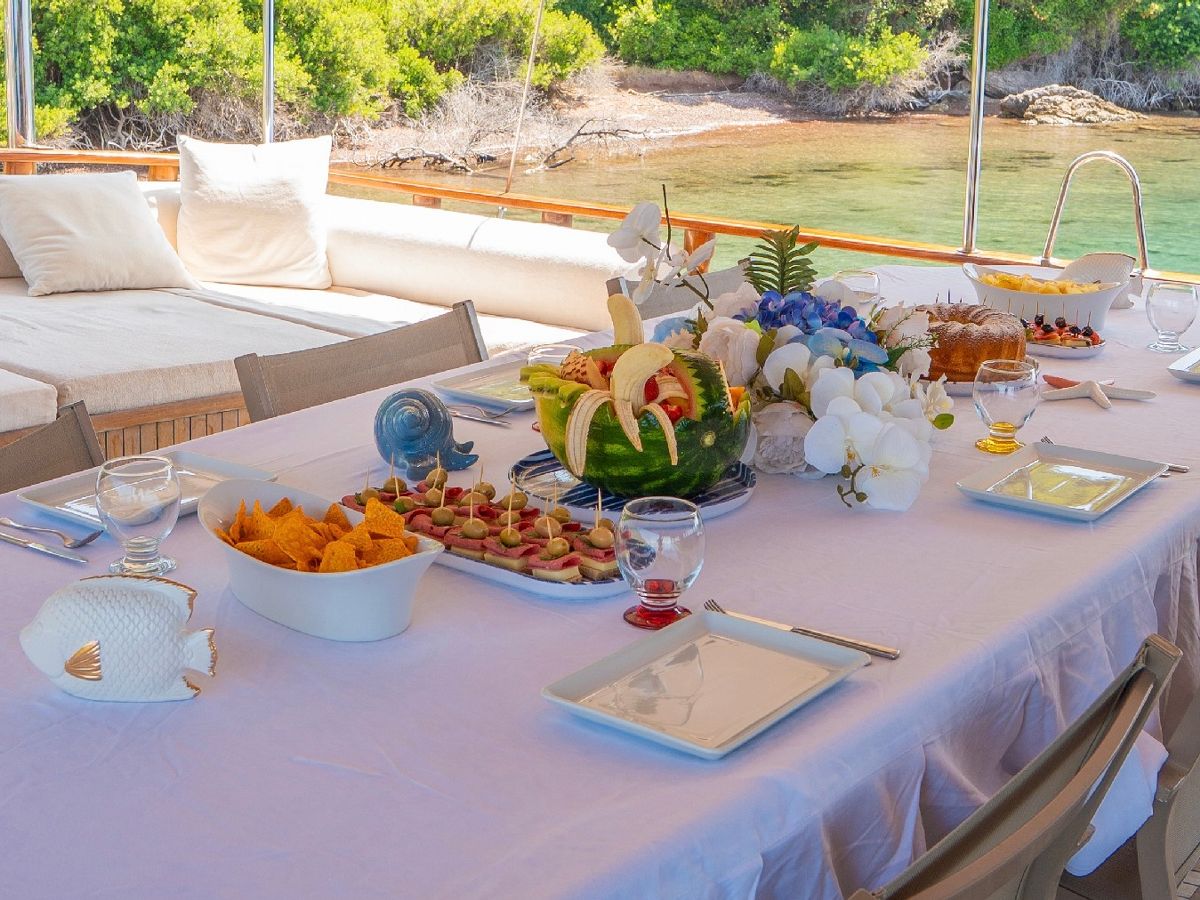
Balance restaurant dining with onboard meals. Enjoying simple Mediterranean dishes aboard the yacht provides a pleasant contrast to evenings spent exploring local restaurants.
Travelers following a Gulet Charter Greece itinerary may recognize shared Mediterranean ingredients, but Dalmatian cooking maintains its own distinctive regional identity.
The most rewarding culinary experiences often come from allowing enough time to explore each destination rather than rushing between harbors.
Frequently Asked Questions About Croatian Food on a Dalmatian Yacht Charter
1. What traditional Croatian food should I try during a Dalmatian yacht charter?
Some of the most popular traditional dishes include peka, black risotto, grilled Adriatic fish, octopus salad, brudet, and pašticada. Travelers should also try Dalmatian prosciutto, local cheeses, and regional desserts such as rožata. These specialties provide a broad introduction to Croatia’s coastal culinary traditions.
2. Is seafood popular in Dalmatian cuisine?
Yes, seafood plays a central role in traditional Dalmatian cooking. Coastal restaurants frequently serve grilled fish, squid, octopus, mussels, shrimp, and seafood risotto. Preparation methods generally emphasize olive oil, garlic, herbs, and fresh ingredients rather than complicated sauces.
3. Can I enjoy traditional Croatian food onboard a yacht?
Many crewed yacht charter arrangements include onboard meal services, although the exact options depend on the vessel and booking conditions. Guests may have opportunities to discuss meal preferences in advance. Combining onboard dining with visits to traditional coastal restaurants creates a varied culinary experience.
4. Which Croatian islands are best for traditional food experiences?
Hvar, Korčula, and Vis offer excellent opportunities to explore regional Croatian cuisine. Each island features its own combination of seafood traditions, local agricultural products, and distinctive recipes. Smaller villages often provide particularly memorable dining experiences for travelers interested in authentic coastal cooking.
5. What is the best time to enjoy Croatian food during a Dalmatian yacht charter?
The warmer sailing season provides opportunities to enjoy outdoor dining, fresh seafood, and seasonal Mediterranean produce. Late spring and early autumn can also offer pleasant conditions for exploring coastal restaurants and local markets. Restaurant availability and seasonal specialties vary by destination, so checking dining options while planning the itinerary is worthwhile.