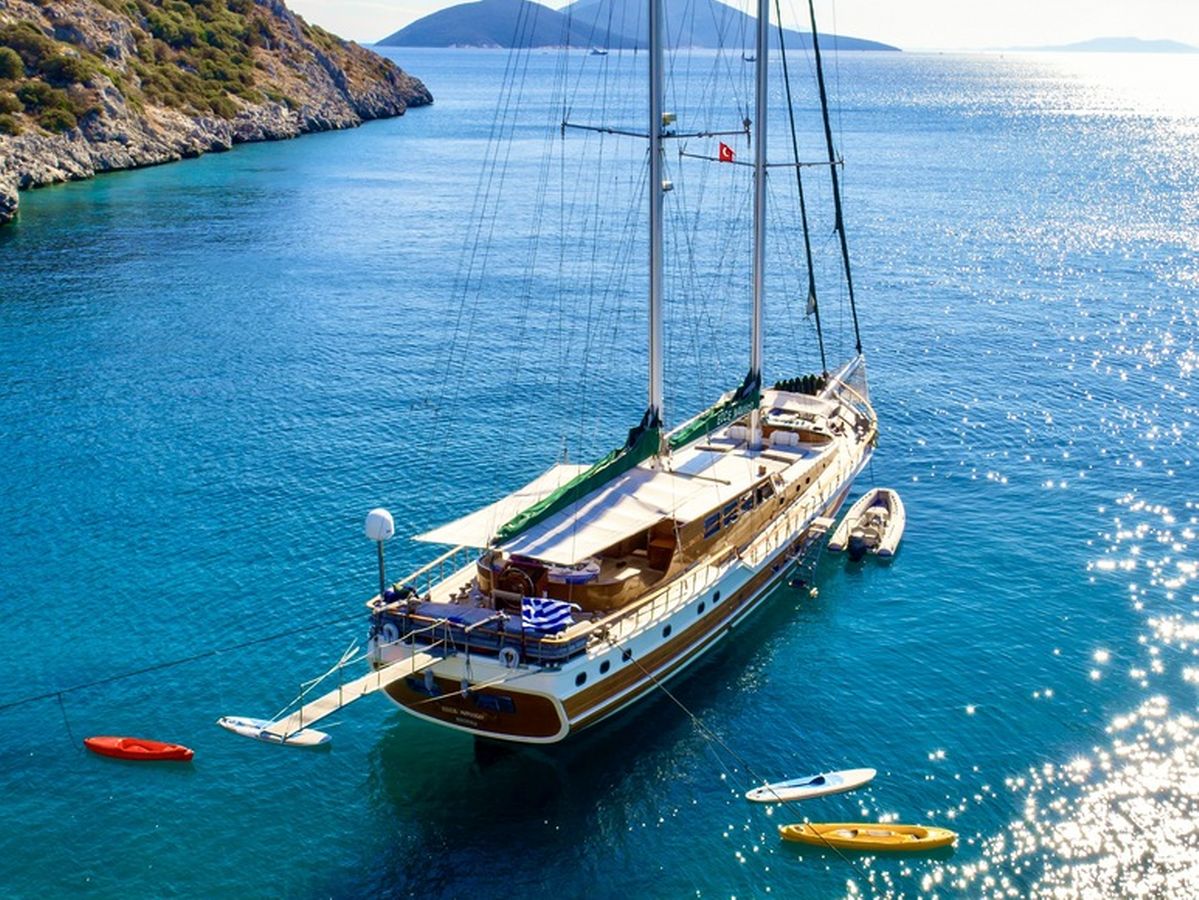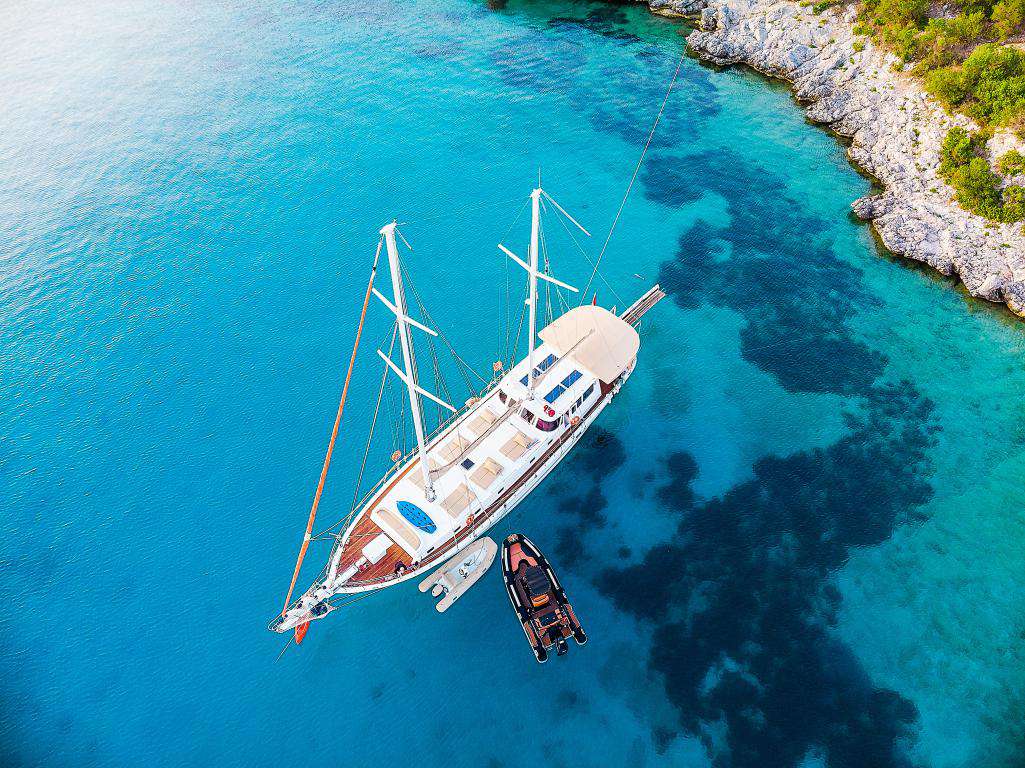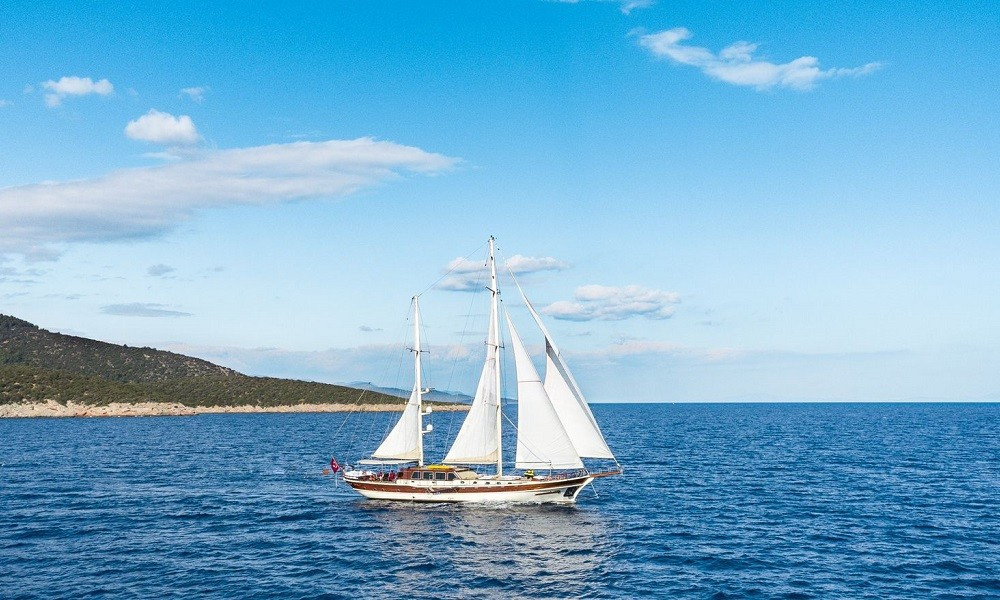

Fuel Costs on a Gulet Charter Explained helps travellers understand how fuel consumption affects the total price of a private gulet holiday. Fuel expenses can depend on the vessel’s size, engine power, cruising distance, route, speed and daily use of onboard equipment. Some charter packages include a limited amount of engine use, while others calculate fuel separately according to actual consumption. Understanding these details before booking makes it easier to compare offers and plan a realistic holiday budget.
Are Fuel Costs Included in a Gulet Charter?
Fuel may or may not appear within the advertised gulet charter price. The answer depends on the charter model, the vessel and the conditions included in the offer.
Some gulet charters include fuel for a specified number of cruising hours per day. A package might cover normal navigation between nearby bays while charging extra for longer distances or additional engine use. Other charters exclude navigation fuel entirely and calculate the final amount according to consumption during the trip.
The base charter price may also cover different services, such as crew, standard onboard equipment, cleaning and accommodation. Food, drinks, marina fees, transfers and fuel can appear as separate expenses. For this reason, travellers should never assume that a single advertised price represents the complete holiday cost.
Before confirming a Gulet Charter Turkey itinerary, ask how many daily cruising hours the price includes, what happens when the vessel exceeds that limit and whether the quoted amount covers generator fuel.
What Determines Gulet Fuel Consumption?
Several practical factors influence how much fuel a gulet uses during a charter. Vessel size plays an important role because larger gulets usually require more powerful engines to move safely and comfortably.
Engine type and condition also affect consumption. Two gulets with similar dimensions can use different amounts of fuel because their engines, hull designs and operating speeds differ. A well-maintained vessel running at an efficient cruising speed can consume less fuel than a comparable gulet travelling faster.
The total distance of the itinerary has an equally direct effect. A route that moves between nearby coves will usually require less fuel than a schedule involving long passages between islands, towns or countries.
Weather and sea conditions can also change consumption. Strong winds, currents and choppy water may force the engine to work harder. The captain can often adjust the route or departure time to avoid inefficient navigation, but weather always remains an important planning factor.
How Cruising Speed Affects Fuel Expenses
Speed has a major influence on gulet fuel costs. Engines generally consume more fuel when the captain operates the vessel at higher speeds. Even a relatively small increase in cruising speed can create a noticeable difference over a long route.
Gulets focus on relaxed travel rather than rapid transportation. Their design suits comfortable cruising, quiet anchorages and leisurely journeys between coastal destinations. Travellers who treat the gulet as a floating holiday base rather than a fast transfer vessel often enjoy a calmer experience while keeping fuel use under control.
A tightly planned itinerary can create pressure to travel faster or use the engines for longer periods. A flexible route gives the captain more freedom to choose efficient speeds, adjust departure times and recommend suitable overnight stops.
This distinction becomes especially important when comparing a traditional gulet with a motor yacht. A motor yacht may offer greater speed, but higher performance can also increase fuel consumption. The right choice depends on whether the group values fast movement or a slower and more spacious cruising style.
Navigation Fuel and Generator Fuel Are Different
Many first-time charter guests think only about the fuel needed to move the vessel. However, a gulet can also use fuel while anchored because its generators support electrical systems and onboard comfort.
Generators may power air conditioning, lighting, kitchen equipment, refrigeration, water systems and charging points. The amount of generator fuel used depends on the vessel’s equipment and the guests’ daily habits.
Air-conditioning use often has the greatest effect. Running it throughout the day and night requires more generator operation than using it during limited hours. Some gulets include a set amount of air-conditioning use in the charter rate, while others charge for extended use.
Water sports equipment can also affect fuel expenses. Motorised tenders, water skis and similar activities may require additional fuel. Ask whether the charter package includes tender use and which activities involve an extra charge.
Guests considering Ultra Luxury Gulets should review generator and equipment policies carefully because larger vessels often offer more extensive electrical systems, entertainment features and climate-control options.
How the Planned Route Changes the Fuel Budget
The route is one of the easiest ways to control fuel costs without reducing the quality of the holiday. A well-designed itinerary balances sailing time, swimming stops, coastal visits and overnight anchorages.
Routes that focus on one region usually require fewer engine hours. Guests can spend more time enjoying bays and less time travelling between distant points. This approach often creates a more relaxing holiday because the group does not need to follow a demanding daily schedule.
Long-distance itineraries can still provide excellent experiences, but they require more careful budgeting. Island crossings, changes between embarkation and disembarkation ports or visits to several distant coastal towns can increase both fuel use and marina expenses.
For example, a Gulet Charter Greece route involving several widely separated islands may consume more fuel than an itinerary concentrated around one island group. The same principle applies to Yacht Charter Turkey and Yacht Charter Croatia routes: distance and daily engine time matter more than the destination name alone.
Can Sailing Reduce Fuel Consumption?
Many gulets carry sails, but guests should not assume that every journey will take place primarily under sail. Traditional appearance, modern operating requirements, weather conditions and itinerary timing all influence how often the crew can use the sails.
The captain may raise the sails when wind conditions, vessel design and the route allow it. Sailing can reduce engine use during suitable periods, but it rarely replaces the engines throughout an entire charter.
Guests who want more sailing time should discuss this preference before booking. They should also maintain a flexible itinerary because fixed arrival times can limit the crew’s ability to wait for favourable wind.
Choosing a gulet specifically for its sailing characteristics can support this type of holiday. However, sailing conditions can never be guaranteed in advance.
How to Estimate Fuel Costs Before Booking
A reliable fuel estimate starts with clear information about the vessel and the proposed route. Ask the charter provider to explain the gulet’s approximate hourly fuel consumption and the number of planned engine hours.
You should also request details about generator use, air-conditioning limits, tender fuel and water sports. These items can appear separately from navigation fuel, so reviewing them individually prevents confusion.
The captain or charter team can usually provide a reasonable estimate based on a standard itinerary. The final cost can still change if guests request longer journeys, alter the route or use the engines more frequently.
For a Luxury Yacht Charter, compare the total estimated operational budget rather than focusing only on the weekly charter rate. A lower base price does not always create a lower final cost when fuel, marinas, food and additional services appear separately.
Practical Ways to Manage Gulet Fuel Costs
Travellers can manage fuel expenses without making the holiday feel restrictive. The most effective approach involves choosing a realistic route with moderate daily distances.
Spending two nights in a particularly beautiful bay can reduce engine use while giving guests more time to swim, explore the shore and enjoy the vessel. Selecting embarkation and disembarkation ports close to the main cruising area can also prevent unnecessary passages.
Maintaining a comfortable cruising speed supports fuel efficiency. Asking the captain to prioritise efficient navigation can help, although safety, weather and local conditions always guide the final decision.
Guests can also use air conditioning more selectively, especially during cooler parts of the day. Keeping cabin doors and windows closed while the system operates allows it to work more efficiently.
Most importantly, discuss all fuel-related terms before making a reservation. A clear written breakdown should explain included engine hours, estimated additional fuel charges and the method used to calculate actual consumption.
Questions to Ask Before Confirming the Charter
Before booking, ask the following questions:
- Does the charter price include navigation fuel?
- How many engine hours does the package cover each day?
- How is additional fuel consumption calculated?
- Does the rate include generator and air-conditioning use?
- Does tender or water sports use require extra fuel?
- What fuel consumption does the gulet have at normal cruising speed?
- Can the planned route change the estimated fuel budget?
- When and how will the final fuel amount be confirmed?
Clear answers allow travellers to compare offers fairly. They also help the group choose an itinerary that matches both its holiday expectations and its available budget.
Frequently Asked Questions
1. How much fuel does a gulet use per hour?
Hourly consumption varies according to the gulet’s size, weight, engine power, design and cruising speed. The charter provider should give an approximate figure for the specific vessel rather than relying on a general estimate.
2. Is gulet fuel charged according to actual consumption?
Many charters calculate additional fuel according to actual use. Some packages include a fixed number of engine hours and charge only when the vessel exceeds that allowance. The charter terms should explain the calculation method clearly.
3. Does air conditioning increase gulet fuel costs?
Yes. Air conditioning usually relies on generators, which require fuel. Limited daily use may form part of the charter package, while continuous or extended operation can create an additional expense.
4. Can guests choose a route with lower fuel consumption?
Yes. Routes with shorter distances, fewer long passages and more time in the same cruising region generally require less engine use. The captain can help create an efficient itinerary based on the group’s preferences.
5. Are fuel costs higher on a motor yacht than on a gulet?
Motor yachts often use more fuel because they usually operate at higher speeds and rely heavily on powerful engines. However, actual consumption depends on the vessel’s size, engine system, cruising speed and planned distance.