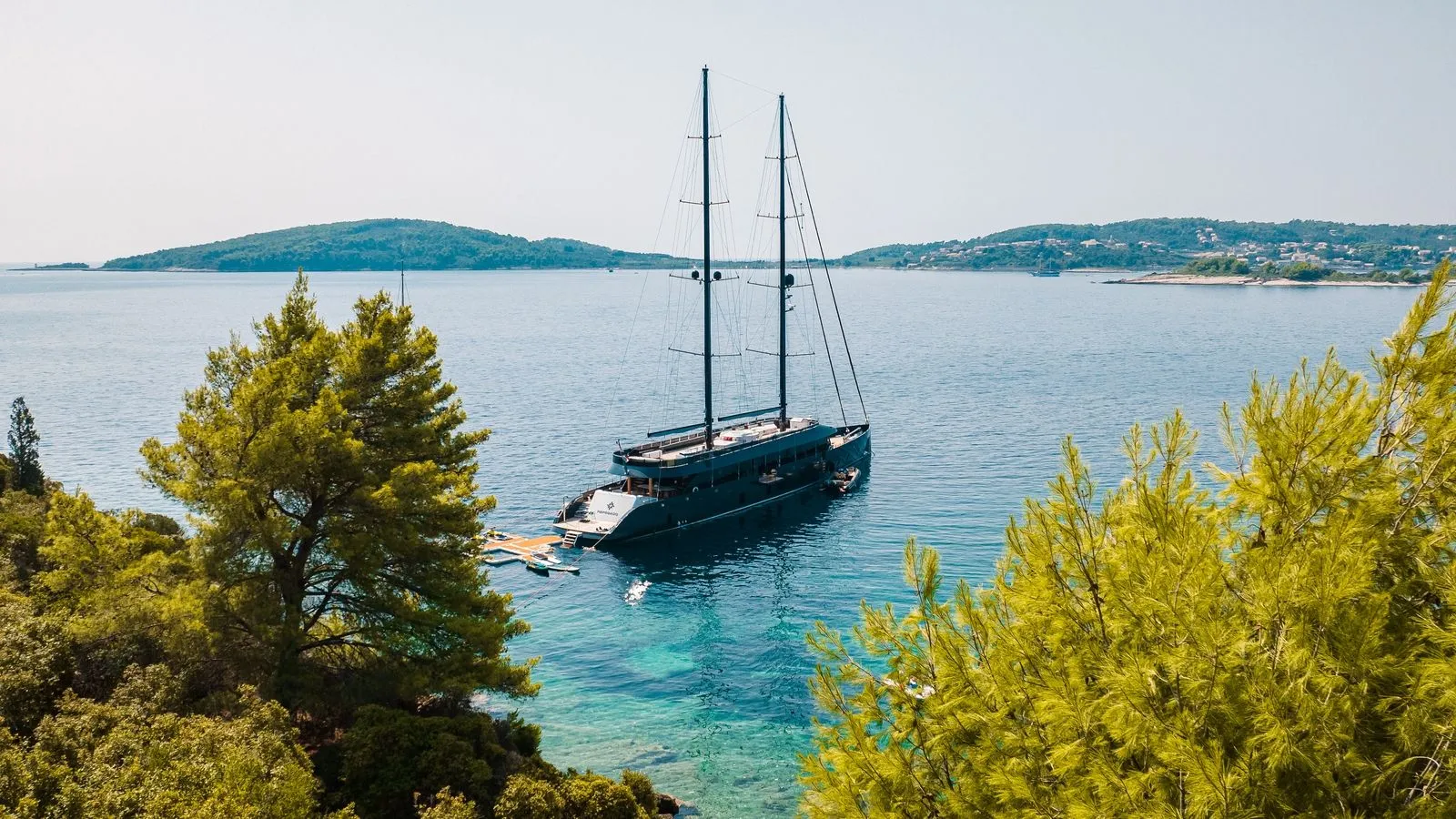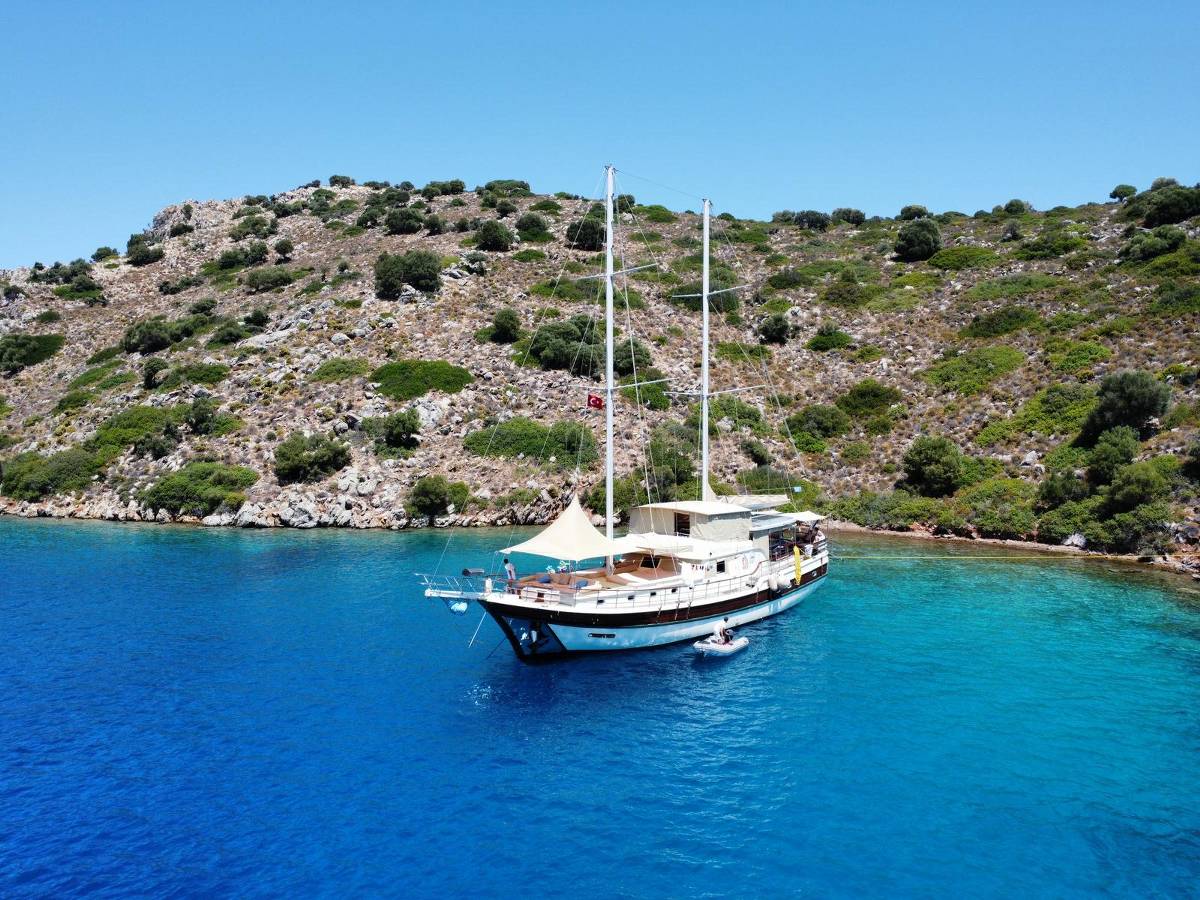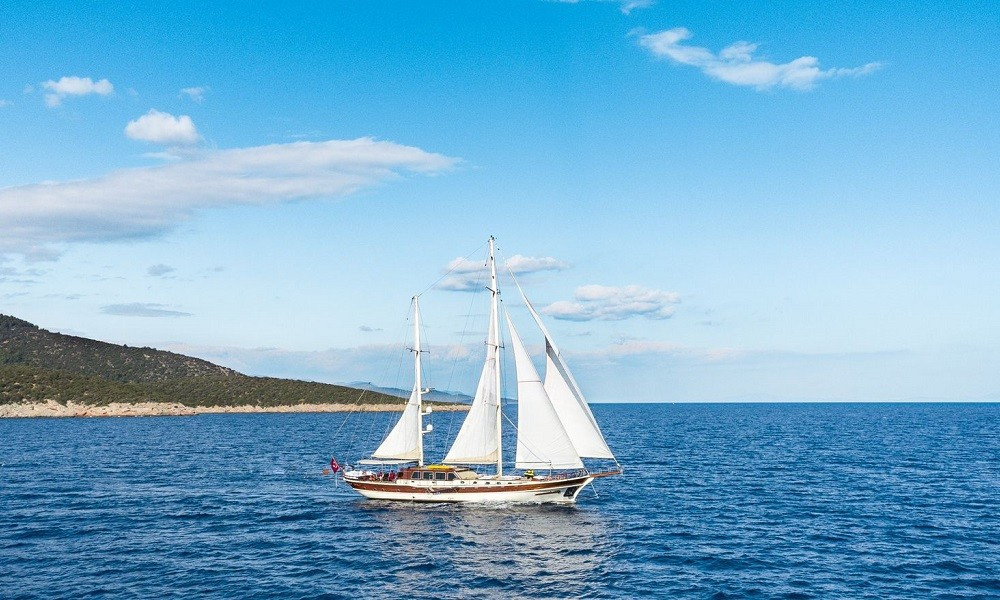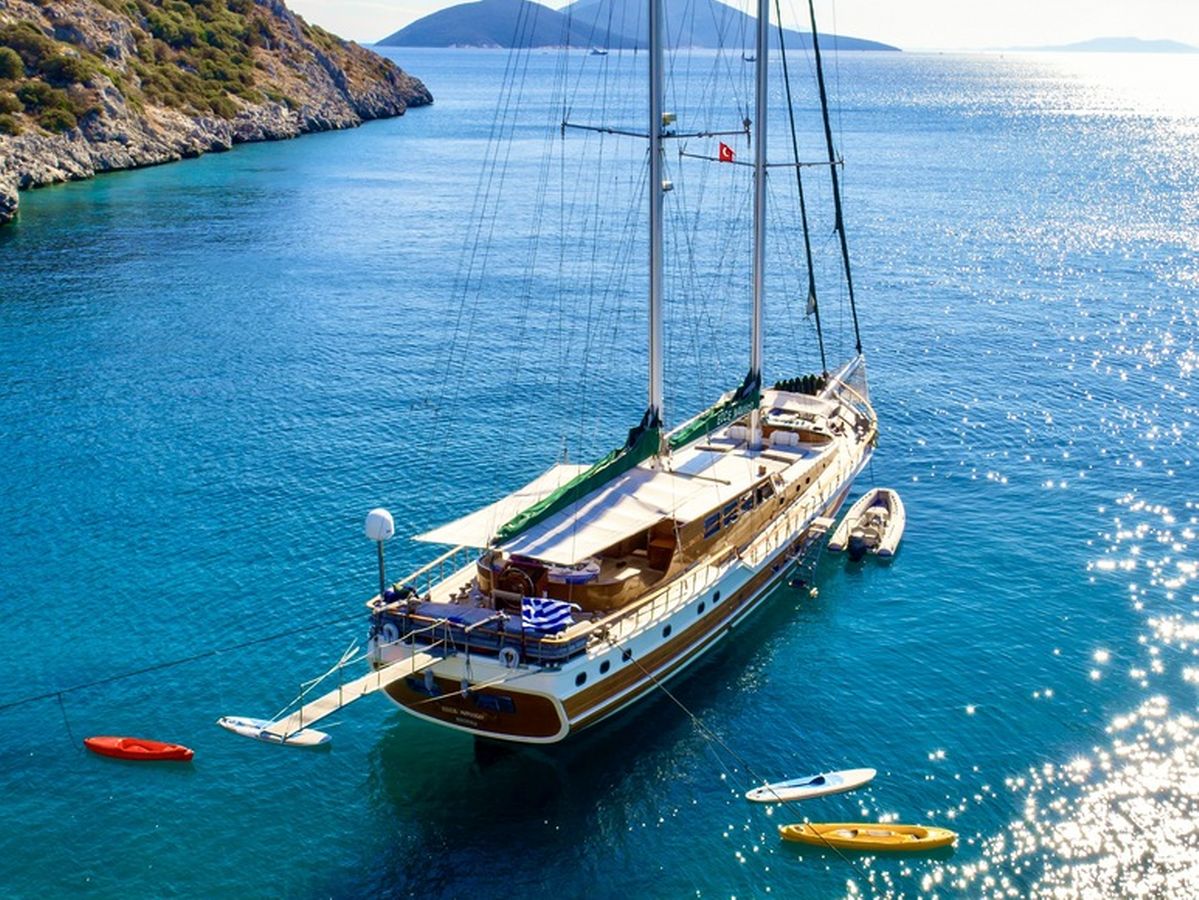

How to Choose the Right Yacht Size starts with understanding your group, travel style, preferred route, and expectations for onboard comfort. The biggest yacht is not always the best option, because layout, cabin configuration, outdoor space, and cruising plans often matter more than overall length. A well-matched yacht gives every guest enough privacy and room to relax without adding unnecessary space or cost. By comparing practical details rather than focusing only on appearance, you can choose a yacht that fits the entire holiday.
Begin with the Number of Guests
The number of guests gives you the clearest starting point when choosing a yacht. Every vessel has a maximum passenger capacity, but that figure does not always reflect how comfortable the yacht will feel during a week-long holiday.
Start by reviewing how many people will stay onboard and how they prefer to sleep. Couples may want double cabins, while friends may feel more comfortable in twin cabins. Families with children may prefer cabins located close together, especially when younger guests need easy access to their parents.
Avoid choosing a yacht based only on the number of available beds. Some yachts include convertible sofas, bunk beds, or compact cabins that may suit short stays but feel restrictive during a longer cruise. Look closely at cabin dimensions, bathroom arrangements, storage areas, ventilation, and natural light.
A yacht with one additional cabin may give your group useful flexibility. Guests can use the extra room for luggage, personal belongings, or separate sleeping arrangements. However, booking several unused cabins may increase the cost without improving the experience.
Match the Yacht to Your Holiday Style
Different yacht holidays require different amounts of space. A couple planning quiet coastal trips will have different needs from a large group organising daily activities, shared meals, and evening gatherings.
Smaller yachts often create an intimate atmosphere. They suit couples, small families, and close groups who expect to spend much of their time swimming, exploring coastal towns, or dining ashore. Their compact size may also make it easier to enter smaller bays and harbours.
Medium-sized yachts usually provide a practical balance between privacy and social space. They may include several comfortable cabins, shaded dining areas, sunbathing sections, and indoor lounges. These yachts often suit families and groups of friends who want enough space to relax without losing the personal feel of the trip.
Guests considering a Luxury Yacht Charter may prefer a larger vessel with multiple deck areas, generous suites, entertainment spaces, and a wider selection of onboard amenities. Even in this category, the ideal yacht should reflect how guests intend to use the space rather than simply offering the greatest possible length.
Focus on Layout Instead of Length Alone
Yacht length offers a general indication of size, but it does not reveal how effectively the interior and exterior spaces work. Two yachts with similar measurements may provide very different levels of comfort.
One yacht may dedicate more space to large guest cabins, while another may prioritise a spacious main saloon or an expansive sun deck. Some yachts include several separate relaxation areas, while others bring guests together in one main social space.
Study the floor plan before making a decision. Check how easily guests can move between cabins, bathrooms, dining areas, and outdoor decks. Narrow corridors, steep stairs, or limited storage may affect daily comfort even when the yacht looks large in photographs.
Traditional gulets often use their broad structure to create generous deck areas and comfortable cabins. Travellers considering Gulet Charter Turkey, for example, may value open-air dining, wide sunbathing spaces, and communal areas that suit relaxed group holidays.
The best layout supports both social interaction and personal privacy. Guests should have enough room to gather for meals and activities while still finding quiet places to read, rest, or enjoy the view.
Consider Cabin Types and Privacy
Cabin configuration can shape the entire onboard experience. Before choosing a yacht, review not only how many cabins it has but also who will use each one.
Master cabins usually provide additional space, larger beds, more storage, and more comfortable bathrooms. Standard double cabins work well for couples, while twin cabins offer flexibility for friends, teenagers, or children. Bunk cabins may help accommodate larger groups, although they can feel more compact.
En-suite bathrooms improve privacy and convenience, especially when several adults travel together. When bathrooms are shared, consider how easily the group can manage morning routines and preparation before going ashore.
Cabin location also matters. Rooms near the engine area may experience more noise during cruising, while cabins close to common areas may offer less privacy. Families may prefer nearby cabins, whereas couples travelling together may appreciate greater separation.
A yacht with a thoughtful cabin layout can feel more comfortable than a larger yacht with poorly arranged sleeping areas.
Think About Indoor and Outdoor Space
Most yacht holidays revolve around the outdoor areas. Guests often eat breakfast on deck, relax in shaded seating areas, sunbathe, swim, and enjoy evening meals under the open sky. For this reason, outdoor space should play a central role in your decision.
Check whether every guest can sit comfortably around the dining table. Review the size of the shaded area, especially when travelling during warm months. A large yacht may offer several outdoor zones, while a smaller yacht may have one well-designed deck that serves multiple purposes.
Sunbathing space should also match the group. If several guests want to relax outdoors at the same time, limited sunbeds can create an unnecessarily crowded atmosphere.
Indoor space remains important as well. Wind, cooler evenings, or changing weather may bring guests inside. A comfortable saloon with enough seating gives the group an alternative place to dine, talk, or rest.
For island-focused routes such as Yacht Charter Greece, a yacht with balanced indoor and outdoor living areas can offer greater comfort during longer passages between destinations.
Match the Yacht Size to the Route
The planned route can influence which yacht size works best. Different cruising regions include different harbour conditions, sailing distances, bay sizes, and coastal landscapes.
Larger yachts may provide additional stability, living space, and facilities during longer passages. However, their size can restrict access to certain small harbours, shallow bays, or compact marinas. Smaller yachts may reach quieter anchorages and provide greater flexibility when routes include frequent stops.
A Yacht Charter Turkey itinerary often combines sheltered bays, small coastal settlements, swimming stops, and historic harbour towns. A medium-sized yacht may provide enough deck space for a group while remaining suitable for varied anchorages and coastal routes.
Think about how much time you will spend cruising compared with staying at anchor. If the route includes long daily passages, cabin comfort, shaded seating, and protected indoor areas become more important. If most days involve short journeys followed by swimming and shore visits, easy water access and spacious outdoor areas may take priority.
Review the Swimming Platform and Water Access
The stern area can become one of the most frequently used parts of the yacht. Guests often use it for swimming, boarding tenders, launching water equipment, or simply sitting close to the sea.
A large swimming platform can improve comfort for families, older guests, and anyone who prefers easy access to the water. Steps should feel secure, and the layout should allow guests to enter and leave the sea without difficulty.
Smaller yachts may have compact platforms or ladders, which can still work well for active travellers. Larger yachts often offer broad platforms with showers, seating, and space for water toys.
Consider how many guests expect to swim at the same time. A platform that works comfortably for two people may feel crowded when used by a large group. The right setup should support the activities that matter most to your party.
Choose Amenities That You Will Actually Use
A larger yacht often includes more amenities, but an extensive feature list does not automatically create a better holiday. Focus on the equipment and facilities that fit your plans.
Active groups may want paddleboards, kayaks, snorkelling equipment, water skis, or spacious storage areas for sports gear. Families may prioritise safe deck layouts, entertainment systems, shaded zones, and simple water access.
Guests who want a calm holiday may value comfortable sunbeds, a quiet lounge, a generous dining table, and well-designed cabins more than high-powered water toys.
Some yachts offer multiple entertainment spaces, spa-style facilities, gyms, or cinema rooms. These features may suit a premium trip, but they can also add to the cost. Consider how often your group will realistically use each amenity.
A smaller yacht with excellent outdoor seating and a practical swimming area may suit your holiday better than a larger vessel filled with features that remain unused.
Balance Comfort with the Total Budget
Yacht size affects both the charter rate and the wider holiday budget. Larger vessels may involve higher fuel use, greater marina costs, more crew members, and increased provisioning expenses.
Set a total budget before comparing yacht sizes. Include the charter rate, meals, drinks, fuel, transfers, harbour charges, optional activities, and personal spending. Reviewing the complete financial picture helps you avoid selecting a yacht that leaves little room for other experiences.
Think about which features deserve priority. Some groups may prefer to spend more on larger cabins and private bathrooms. Others may choose a modest yacht and reserve more of the budget for dining ashore, visiting several destinations, or extending the trip.
The right yacht offers enough comfort without including space that your group does not need. Choosing carefully can create a more balanced holiday and reduce unnecessary expenses.
Consider the Crew and Service Level
Yacht size often affects the number of crew members and the style of service onboard. Smaller yachts may have a compact team managing navigation, meals, and daily guest needs. Larger yachts may include separate roles for hospitality, housekeeping, food preparation, and water activities.
Consider the atmosphere your group prefers. A small crew can create a friendly and informal experience, while a larger team may provide more specialised and discreet service.
Crew areas should remain separate enough to protect guest privacy. A thoughtful yacht layout allows the crew to prepare meals, maintain shared areas, and manage the vessel without disrupting the holiday.
Ask how the crew structure supports the number of guests. The service level should feel appropriate for the group size, dining expectations, activity plans, and duration of the trip.
Avoid Choosing from Photographs Alone
Professional photographs often make rooms and decks appear larger than they are. Wide-angle lenses, empty spaces, and carefully arranged furniture can create an impression that differs from everyday use.
Review floor plans, cabin measurements, guest capacity, recent images, and detailed descriptions. Look at how furniture fits into each area and whether guests can move around easily when every cabin is occupied.
Imagine the yacht with luggage, towels, personal belongings, water equipment, and all guests onboard. This gives you a more realistic understanding of how the space will function.
The best yacht is not necessarily the most visually impressive one. It is the yacht that allows everyone to sleep comfortably, move freely, share meals, enjoy activities, and experience the route without feeling crowded.
Frequently Asked Questions
1. What Size Yacht Is Best for a Couple?
A smaller yacht can provide enough comfort and privacy for a couple, especially for short coastal trips. Couples seeking larger lounges, more outdoor areas, or additional amenities may prefer a medium-sized yacht.
2. How Many Cabins Should a Family Choose?
A family should choose enough cabins to give adults and children comfortable sleeping arrangements. Younger children may stay close to their parents, while teenagers may appreciate separate twin or bunk cabins.
3. Is a Bigger Yacht Always More Comfortable?
No. Comfort depends on the layout, cabin design, outdoor space, maintenance, and number of guests. A well-designed medium-sized yacht can feel more spacious than a larger vessel with an inefficient layout.
4. Should I Book a Yacht with an Extra Cabin?
An additional cabin may help with luggage, children, or flexible sleeping arrangements. However, it may not provide enough value if the group has no practical need for the extra space.
5. Does the Destination Affect the Yacht Size I Should Choose?
Yes. Small harbours and secluded bays may suit compact yachts, while longer crossings may make larger indoor areas, stable cruising, and spacious cabins more valuable.